TEETH - STRAIGHTENING TREATMENT
SERVICES
RESOURCES
SHOP
MEDICAL CERTIFICATIONS
Certifications ensuring safety, quality, and compliance with global standards.



Certifications ensuring safety, quality, and compliance with global standards.

Mouth breathing happens when a person regularly breathes through their mouth instead of their nose.
It may happen temporarily when the nose is blocked due to a cold, allergies, or sinus congestion. However, when mouth breathing becomes frequent or long-term, it may affect sleep quality, oral health, and, in some cases, teeth and jaw development.
For Australians searching for how to stop mouth breathing, the best first step is understanding what may be causing it. Mouth breathing is not always a dental issue, and in many cases, medical or airway-related factors may need to be assessed first.
Mouth breathing is when air regularly passes through the mouth rather than the nose during rest, sleep, or daily activities.
Occasional mouth breathing is common when your nose is blocked. But if someone breathes through the mouth most of the time, especially while sleeping, it may be a sign of an underlying issue that should be checked.
Common signs may include:
Mouth breathing can happen for different reasons. Some causes are temporary, while others may require professional assessment.
1. Blocked Nose or Nasal Congestion
A blocked nose is one of the most common reasons people breathe through their mouth.
This may be caused by:
If nasal blockage is persistent, it is best to speak with a GP or appropriate health professional.
2. Enlarged Tonsils or Adenoids
In children, enlarged tonsils or adenoids may contribute to blocked airways, snoring, and mouth breathing during sleep.
Parents may notice their child sleeping with their mouth open, snoring loudly, or appearing tired during the day.
3. Sleep-Related Breathing Issues
Mouth breathing during sleep may sometimes be linked with snoring or sleep-disordered breathing.
If you or your child snores regularly, pauses during breathing, gasps during sleep, or feels tired despite sleeping, it is important to seek medical advice.
4. Oral Habits and Posture
Some people develop a habit of keeping the mouth open during rest, especially if they have breathed through the mouth for a long time.
Over time, this may affect tongue posture, lip closure, and breathing habits.
Mouth breathing may affect oral health because it can reduce moisture in the mouth.
When the mouth becomes dry, it may increase the risk of:
For children, long-term mouth breathing may also be associated with changes in oral posture and dental development. This is why early awareness and professional assessment are important.
Mouth breathing does not always mean someone will develop crooked teeth or bite problems. However, long-term mouth breathing may be one of several factors that influence oral posture.
When the mouth stays open regularly, the tongue may rest lower in the mouth instead of sitting naturally against the palate. Over time, this may affect how the teeth, jaws, and bite develop, especially in growing children.
Some possible concerns may include:
If you are concerned about teeth alignment, bite development, or whether clear aligners may be suitable, a dental assessment can help identify the next step.
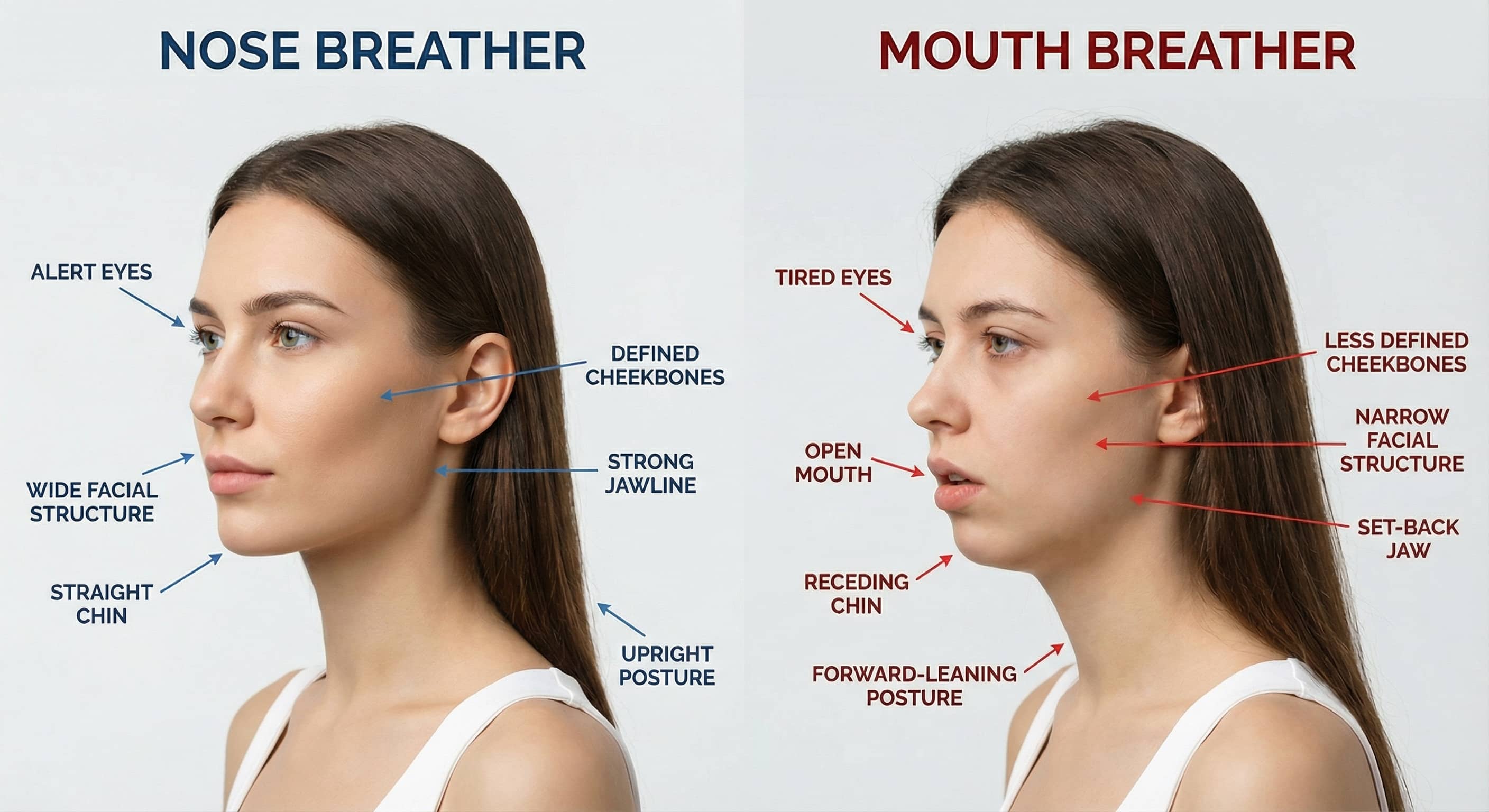
Nose breathing helps filter, warm, and humidify the air before it reaches the lungs. Mouth breathing bypasses some of this natural filtering process and may contribute to dryness in the mouth.
From a dental perspective, the concern is not only how someone breathes, but whether long-term mouth breathing is linked with changes in lip posture, tongue posture, bite development, or oral health.
For children, this is especially important because their teeth and jaws are still developing. For adults, persistent mouth breathing may still contribute to dry mouth, sleep disruption, and oral hygiene challenges.
The right approach depends on the cause. Mouth breathing caused by nasal blockage, allergies, enlarged adenoids, or sleep-related concerns should be assessed by the right healthcare professional.
Here are general steps that may help:
1. Identify the Cause First
Before trying to stop mouth breathing, it is important to understand why it is happening.
Possible causes may include nasal congestion, allergies, enlarged tonsils or adenoids, sleep-related breathing concerns, or long-term oral habits.
2. Speak to a GP or Health Professional
If mouth breathing is frequent, affects sleep, or is linked with snoring or tiredness, speak with a GP or relevant health professional.
They may assess whether nasal, allergy, airway, or sleep-related factors are involved.
3. Visit a Dentist for Oral Health Assessment
A dentist can check whether mouth breathing is affecting oral health, gum condition, tooth alignment, or bite development.
This is especially useful for children, teens, and adults who show signs of crowding, open bite, or difficulty cleaning certain areas.
4. Build Better Oral Hygiene Habits
If mouth breathing causes dry mouth, maintaining good oral hygiene becomes even more important.
Helpful habits include:
5. Assess Teeth Alignment and Bite Concerns
If mouth breathing is associated with teeth alignment or bite concerns, your dentist may recommend further assessment.
For suitable older teens and adults, clear aligners may help address certain alignment concerns as part of a personalised dental plan.
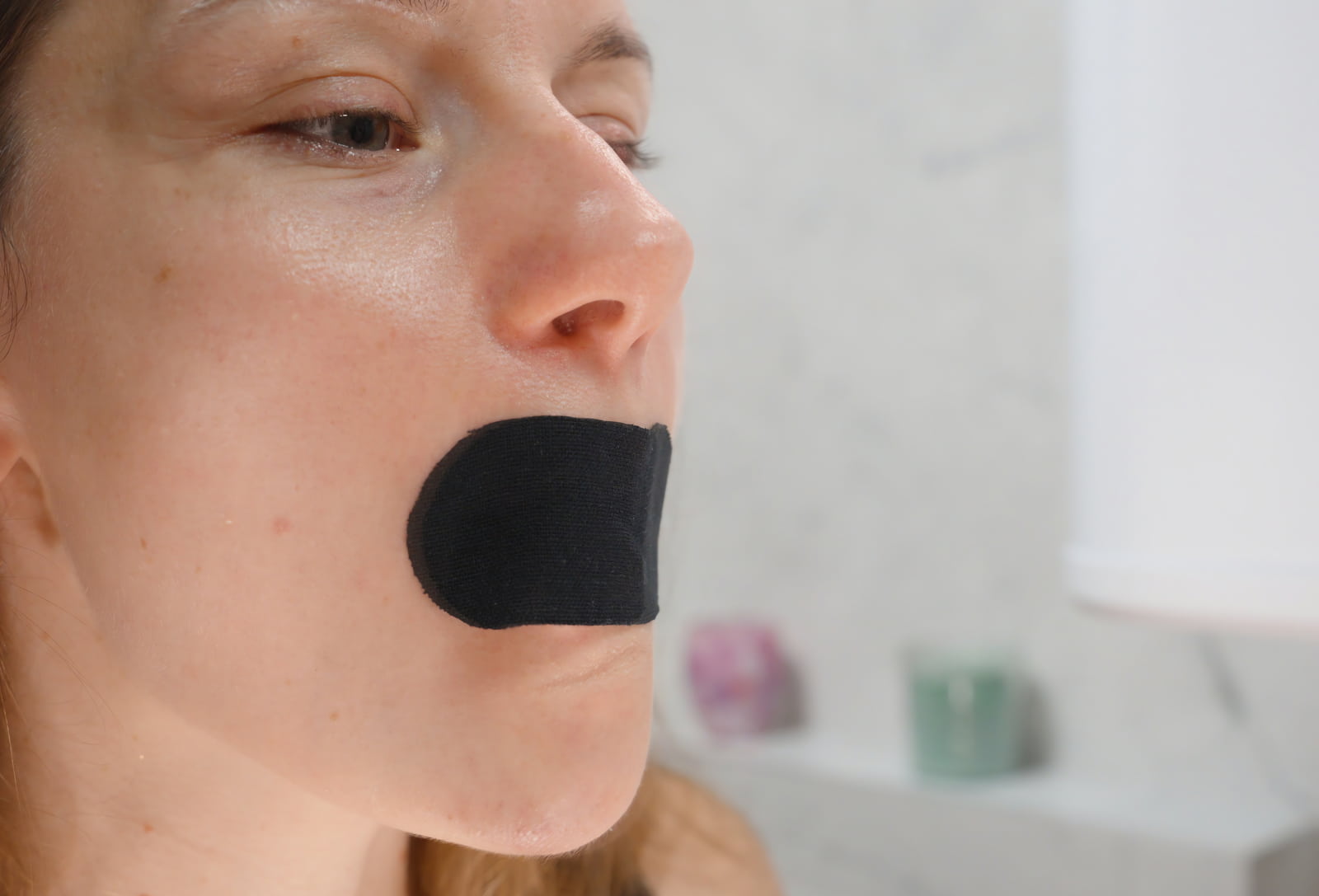
Mouth taping has become popular online, but it should not be treated as a quick fix for mouth breathing.
If the reason for mouth breathing is nasal blockage, allergies, enlarged tonsils or adenoids, or sleep-related breathing problems, taping the mouth may not address the underlying cause.
Before trying mouth taping, it is safer to understand why mouth breathing is happening and speak with a GP, dentist, or appropriate health professional, especially if there is snoring, breathing pauses, nasal obstruction, or daytime tiredness.
Clear aligners are designed to move teeth and support smile alignment. They are not a direct treatment for mouth breathing, nasal blockage, or airway conditions.
However, if mouth breathing is associated with teeth alignment concerns, bite imbalance, or difficulty keeping the lips closed comfortably, a dental assessment may help determine whether orthodontic treatment is suitable.
At Dr Clear Aligners Australia, clear aligner planning focuses on teeth alignment, smile goals, and suitability based on each individual case.
If the main issue is nasal blockage, snoring, allergies, or sleep-related breathing, it is important to seek medical advice from the appropriate healthcare professional.
Parents may want to seek advice if a child regularly:
For children, early assessment is important because their teeth and jaws are still developing.
A dentist can assess oral health and bite development, while a GP or relevant health professional can help review breathing, allergy, or sleep-related concerns.
Adults should consider seeking advice if mouth breathing is persistent or linked with:
If alignment is part of the concern, a clear aligner consultation can help you understand whether your teeth and bite are suitable for aligner treatment.
Mouth breathing can happen for many reasons, so the best approach is to identify the cause first.
If your concern is related to sleep, nasal blockage, or breathing difficulty, speak with a GP or appropriate healthcare professional.
If your concern is related to teeth alignment, bite balance, or smile confidence, Dr Clear Aligners Australia can help you explore whether clear aligners may be suitable for your needs.
Start your Free Smile Assessment or learn more about clear aligners in Australia.