TEETH - STRAIGHTENING TREATMENT
SERVICES
RESOURCES
SHOP
MEDICAL CERTIFICATIONS
Certifications ensuring safety, quality, and compliance with global standards.



Certifications ensuring safety, quality, and compliance with global standards.
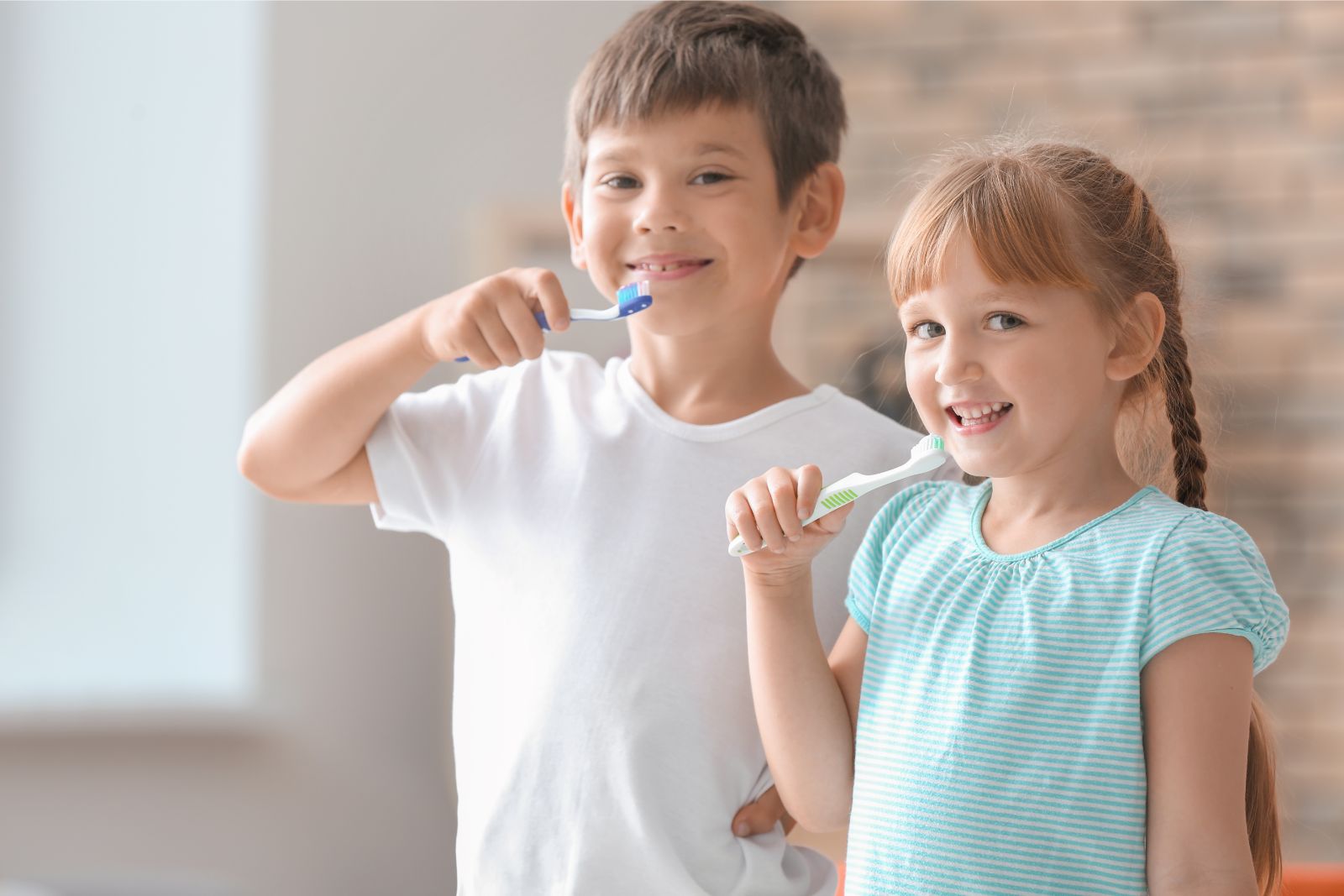
Healthy brushing habits start young, and for children, daily oral care can play an important role in supporting future smile development.
Good oral hygiene helps children maintain cleaner teeth and gums, become more familiar with dental routines, and feel more confident about caring for their smile.
For parents considering early dental guidance, building consistent brushing habits is a simple but important foundation
Children’s teeth and jaws continue to grow and change throughout childhood.
During this stage, parents may begin to notice signs such as crowding, spacing, bite changes, or difficulty cleaning certain areas.
Not every child needs early orthodontic care, but regular dental check-ups can help monitor smile development and identify whether further guidance may be useful.
Good brushing habits can help children build a stronger foundation for long-term oral health.
Parents can support their child’s brushing routine by focusing on the following habits:
1. Brush Twice Daily
Encourage children to brush in the morning and before bedtime.
A predictable routine helps children understand that brushing is part of everyday health, not only something to do before visiting the dentist.
2. Use an Age-Appropriate Toothbrush and Toothpaste
A soft-bristled toothbrush that fits comfortably in a child’s mouth can make brushing easier.
Parents can also ask their dentist for advice on age-appropriate fluoride toothpaste and how much should be used for their child.
3. Make Two Minutes Feel Easier
Children may not always brush for long enough, especially before bed.
To make brushing more consistent, parents can try:
4. Teach Proper Brushing Coverage
Children should be encouraged to brush:
This helps reduce plaque build-up in areas that are often missed.
5. Ask About Flossing When Teeth Start Touching
As children grow, teeth may begin sitting closer together, making some areas harder to clean with a toothbrush alone.
Your dentist can advise when flossing or other interdental cleaning methods should be introduced.
If a child is assessed as suitable for aligner-based options later in life, good oral hygiene habits may help them adapt more comfortably.
Cleaner Teeth Before Wearing Aligners
Aligners are worn over the teeth, so brushing before wearing them is important.
Children who already understand the importance of clean teeth may find this routine easier to follow in the future.
Stronger Routine Discipline
Clear aligners require consistency, including wearing, removing, cleaning, and storing them properly.
Children who already follow a daily brushing routine may be better prepared for this level of responsibility later on.
Greater Awareness of Their Smile
When children learn to care for their teeth early, they become more aware of their oral health.
This awareness can support a more positive experience if dental or orthodontic guidance is recommended in the future.
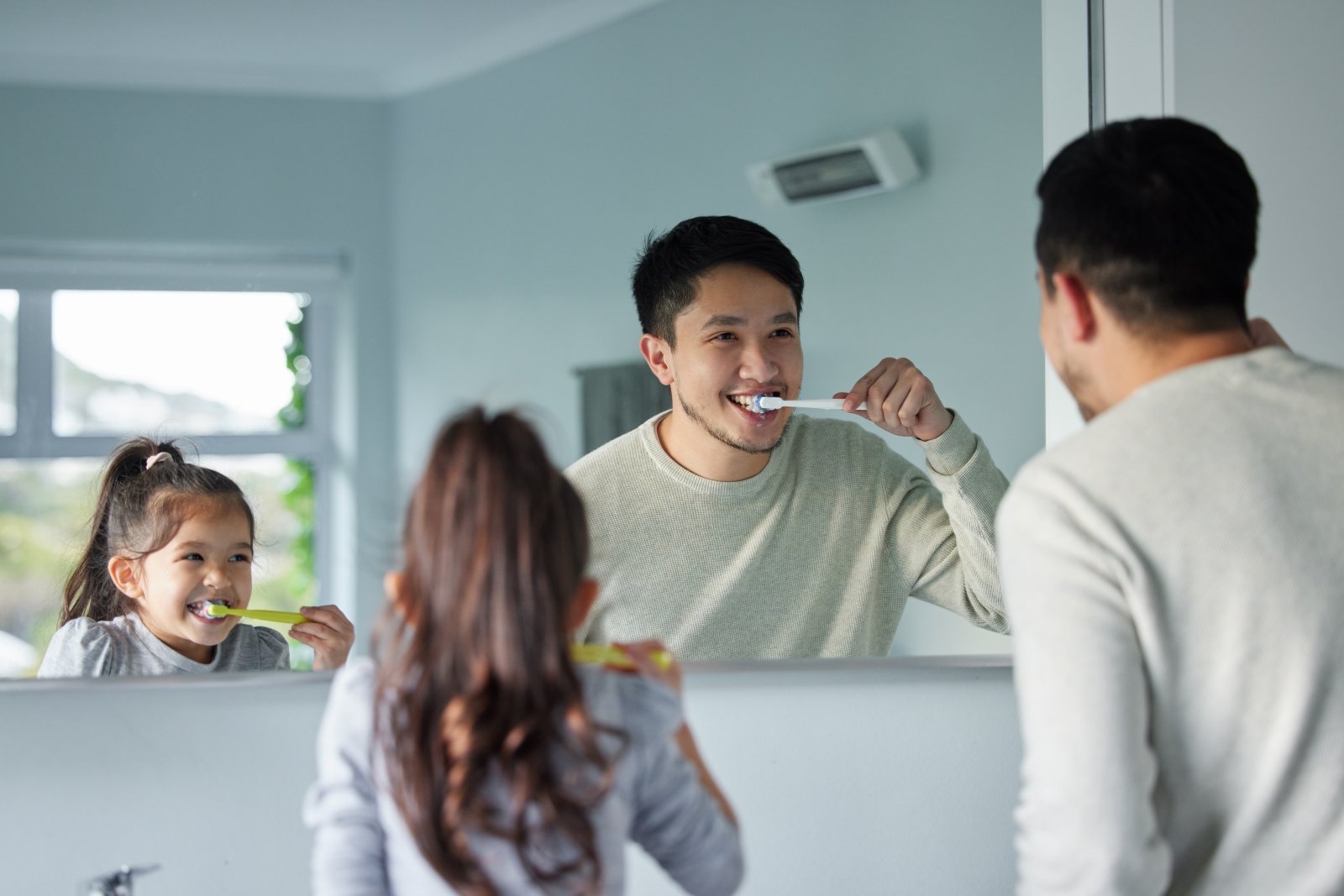
Children often need support before they can brush effectively on their own.
Parents can help by:
The goal is to make brushing feel simple, consistent, and positive.
Parents may consider speaking with a dentist if they notice:
A dental assessment can help determine whether monitoring is enough or whether further orthodontic advice may be useful.
Good brushing habits from a young age can help children build a stronger foundation for oral hygiene, confidence, and future smile development.
Smile development starts with more than straightening teeth. It begins with daily habits, early awareness, and regular dental check-ups.
By helping children build strong brushing habits from a young age, parents can support better oral hygiene, future smile development, and readiness for future options such as clear aligners when appropriate later in life.
Healthy brushing habits and regular dental check-ups can help support your child’s long-term oral health.
For older teens or adults exploring smile correction options, learn more about clear aligner options with Dr Clear Aligners Australia.
Start your Free Smile Assessment to explore clear aligner options for suitable cases.