Wisdom Tooth Extraction: Pain, Recovery & What to Eat After Removal

Wisdom tooth extraction is a common dental procedure, but it’s often surrounded by anxiety — especially when it comes to pain, swelling, and recovery. Many people search for answers only after the procedure, when discomfort starts and eating becomes difficult.

If you’re preparing for a wisdom molar extraction or recovering from one, here’s what you need to know about pain levels, healing time, and what to eat after wisdom teeth removal.

What Is Wisdom Tooth (Wisdom Molar) Extraction?

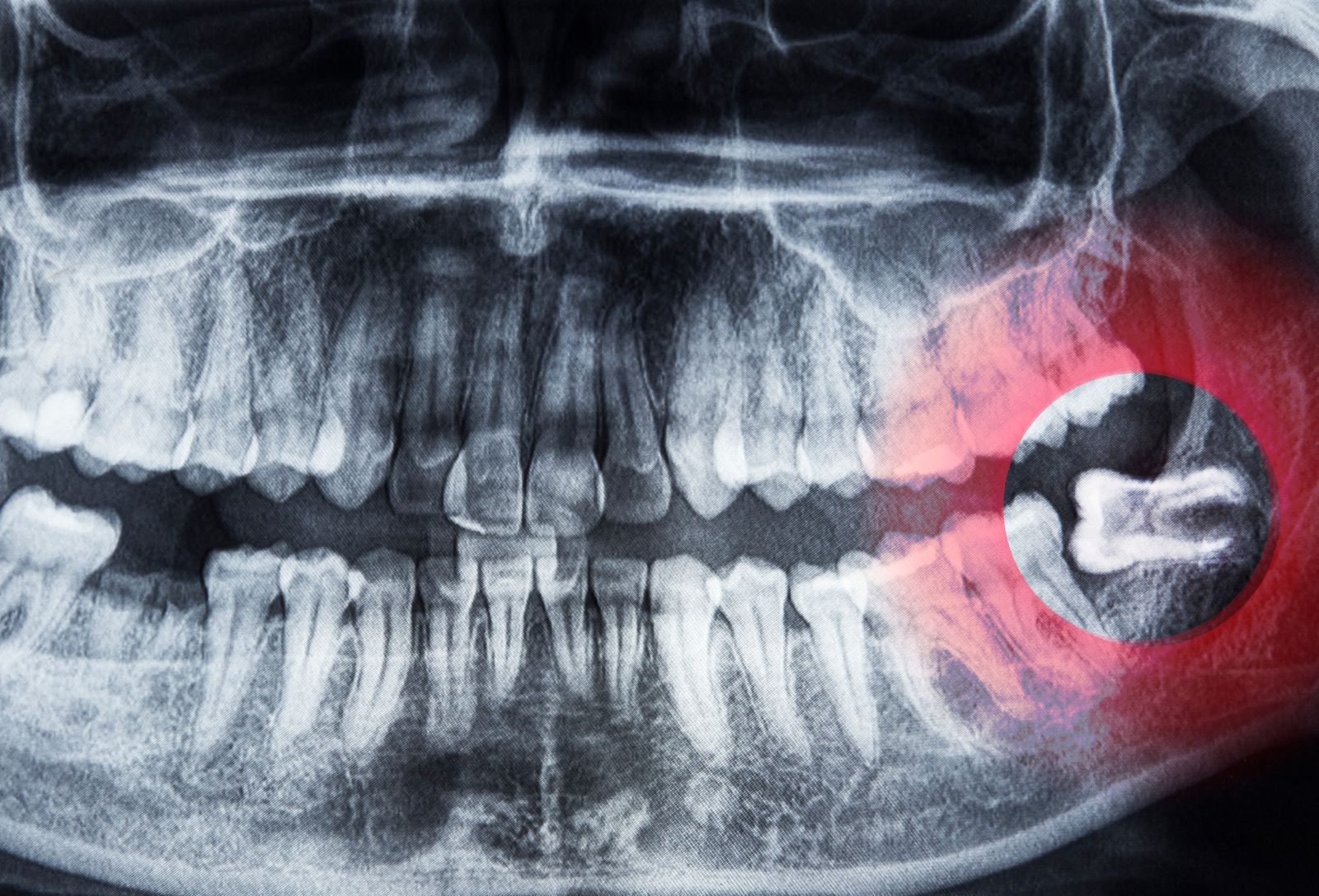
Wisdom teeth are your third molars, located at the back of your mouth. When there isn’t enough space for them to grow properly, they may become impacted, partially erupted, or difficult to clean.

Wisdom molar extraction is recommended when these teeth cause pain, infection, decay, or other oral health issues. The procedure may involve a simple extraction or a surgical removal, depending on the tooth’s position.


Is Wisdom Tooth Extraction Painful?

During the procedure itself, pain is usually well controlled with local anaesthesia or sedation. However, discomfort is common after the extraction once the anaesthetic wears off.

Common pain and symptoms after molar removal include:

  • Soreness around the extraction site

  • Swelling of the gums or jaw

  • Mild bleeding within the first 24 hours

  • Jaw stiffness or difficulty opening the mouth

Pain levels vary from person to person and depend on whether the tooth was impacted or surgically removed.

How Long Does Pain Last After Wisdom Tooth Extraction?

  • First 24–72 hours: Pain and swelling are usually at their peak

  • Days 3–7: Discomfort gradually improves

  • 1–2 weeks: Most people feel significantly better

If pain worsens after a few days instead of improving, it may indicate a complication such as dry socket or infection, which requires dental attention.

How to Reduce Pain and Swelling After Molar Removal

Helpful recovery tips include:

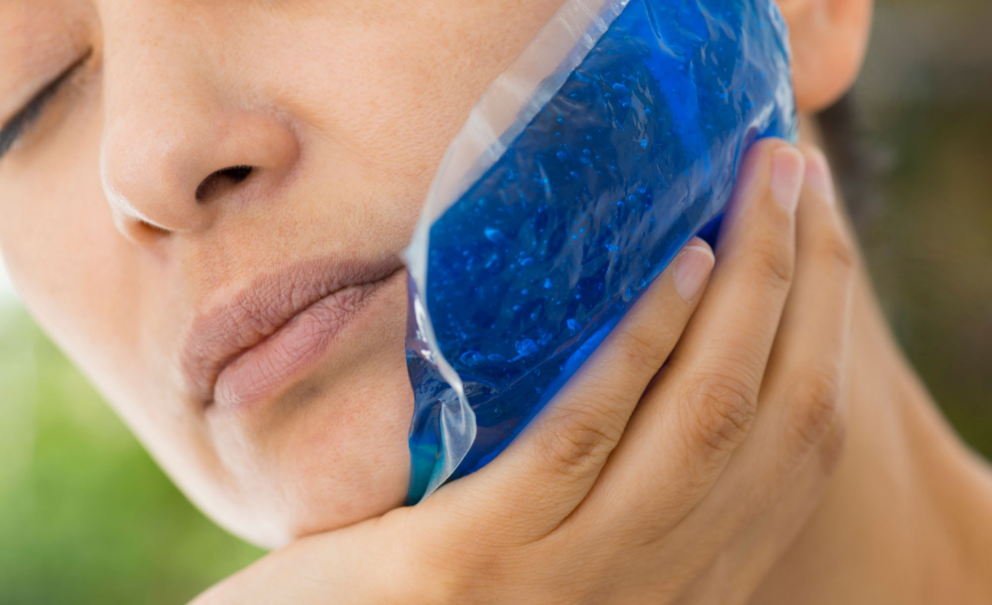
  • Applying an ice pack during the first 24 hours

  • Taking prescribed or recommended pain relief

  • Keeping the head elevated when resting

  • Maintaining gentle oral hygiene (avoiding the extraction site)

  • Rinsing with salt water after the first 24 hours

Avoid smoking or vaping, as this can significantly slow healing.

What to Eat After Wisdom Teeth Removal

Choosing the right food after extraction is crucial for comfort and healing. Try out these food for a smoother recovery:

  • Smooth soups (lukewarm, not hot)

  • Mashed potatoes

  • Scrambled eggs

  • Yoghurt

  • Soft pasta

  • Smoothies (no straw)

These foods are gentle on the gums and reduce the risk of irritation.

When to See a Dentist After Wisdom Tooth Extraction

Seek professional advice if you experience:

  • Severe or worsening pain after day 3

  • Persistent swelling or fever

  • Unpleasant taste or discharge from the extraction site

  • Difficulty opening the mouth after several days

Early treatment can prevent more serious complications.

Key Takeaways

  • Wisdom tooth extraction pain is common but temporary

  • Recovery usually improves within a week

  • Eating soft foods supports faster healing

  • Proper aftercare reduces the risk of complications

Wisdom molar extraction can sound daunting, but understanding the recovery process makes it far more manageable. With the right care, most people heal smoothly and return to normal routines quickly.

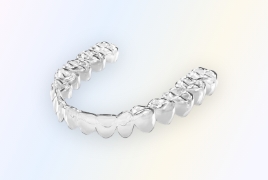
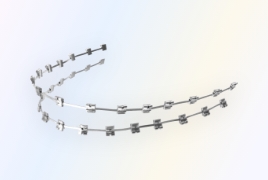
Planning orthodontic treatment after wisdom tooth extraction? A thorough dental and orthodontic assessment can help ensure your teeth are ready for alignment. If you’re exploring clear aligners or other orthodontic options, you can learn more and take the next step through our free smile assessment.

Whatsapp