All Types of Braces in Australia: Costs, Pros & Cons

Orthodontic treatment has evolved dramatically over the past decade, and patients now have access to a wide range of systems designed to straighten teeth more comfortably and discreetly than ever before. Understanding the different types of braces available and how much braces typically start from can help you make an informed, confident decision.

This guide explains the types of braces, their benefits, starting costs, and how to compare the different kinds of braces based on your priorities, lifestyle, and dental needs. Find out more below.  

Table of Contents

Metal Braces (Traditional Braces)

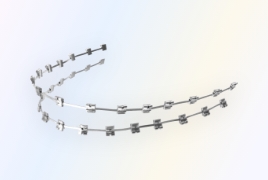
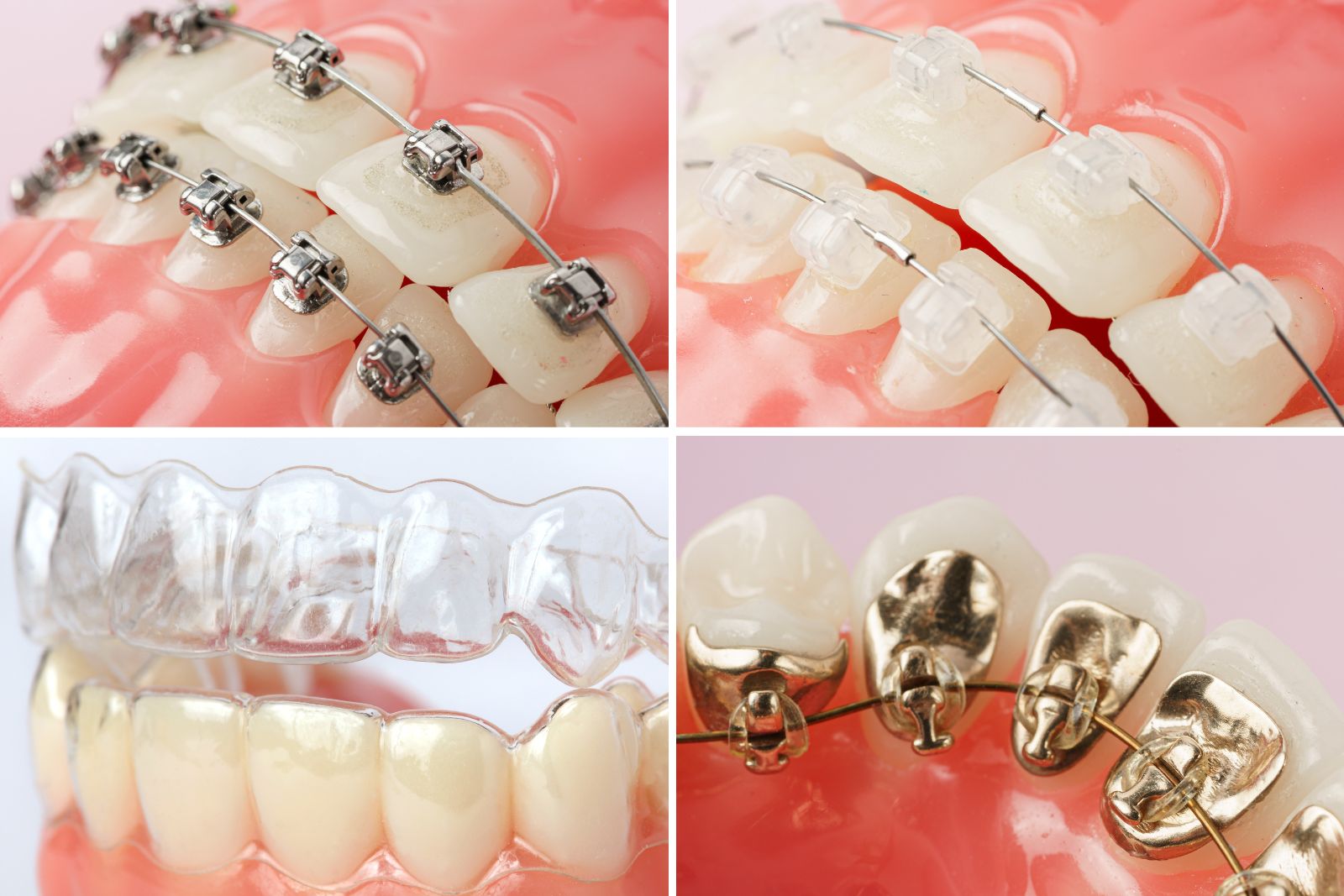
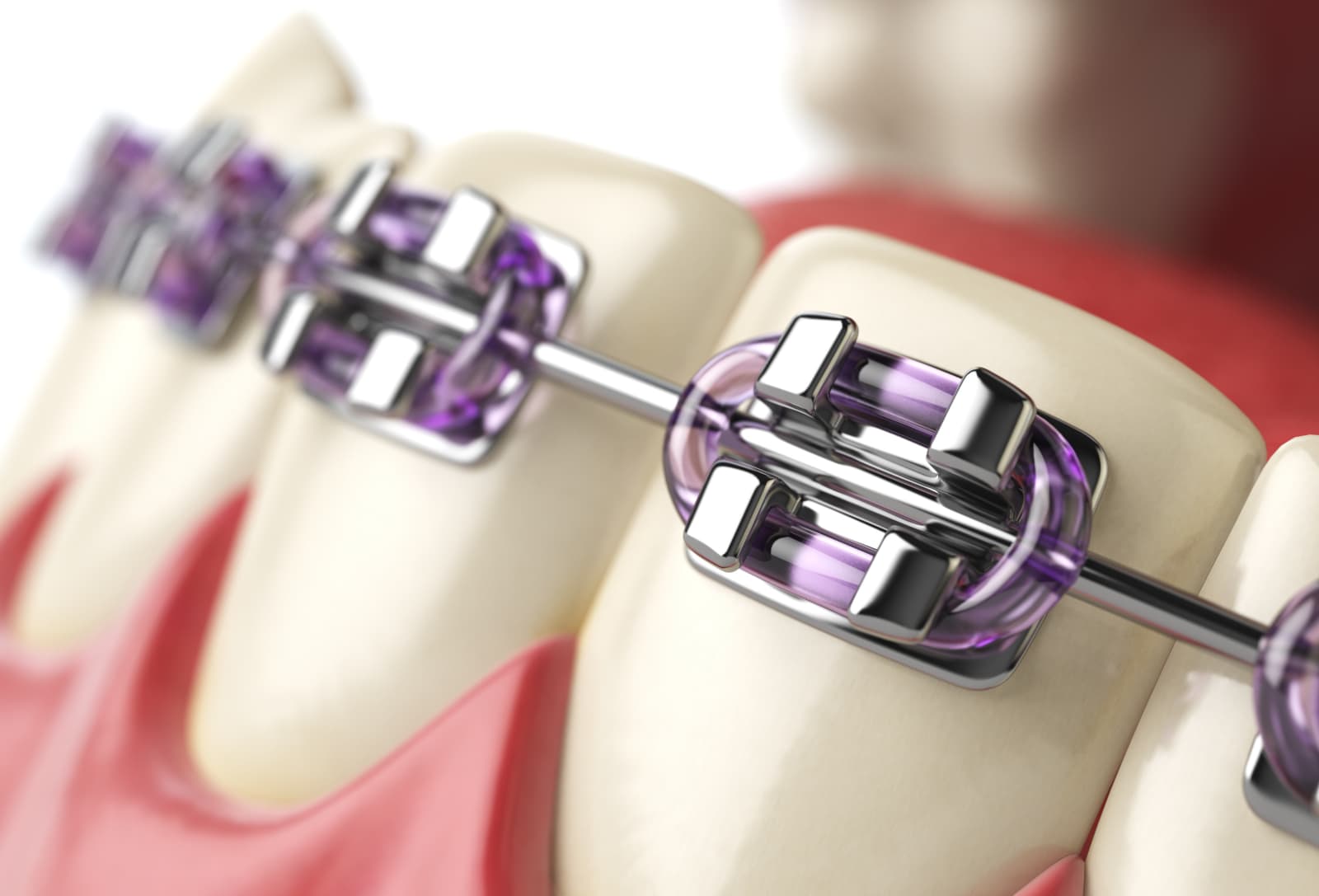
Metal braces are the most recognisable and widely used orthodontic system. They use stainless-steel brackets and wires to gradually move teeth into alignment. Despite newer options entering the market, metal braces remain one of the most reliable choices because they can correct almost any bite or alignment issue.

Best for: Moderate to complex cases
Visibility: High
Price starts from: AUD $6,000

Pros of Metal Braces

  • Reliable for mild to severe alignment issues

  • Often the most cost-effective fixed-brace option

  • Strong, durable, and less likely to break

  • Allows orthodontists precise control over tooth movement

Cons of Metal Braces

  • Most noticeable visually

  • May cause temporary discomfort when first adjusted

  • Food can get trapped easily, requiring diligent cleaning

Ceramic Braces

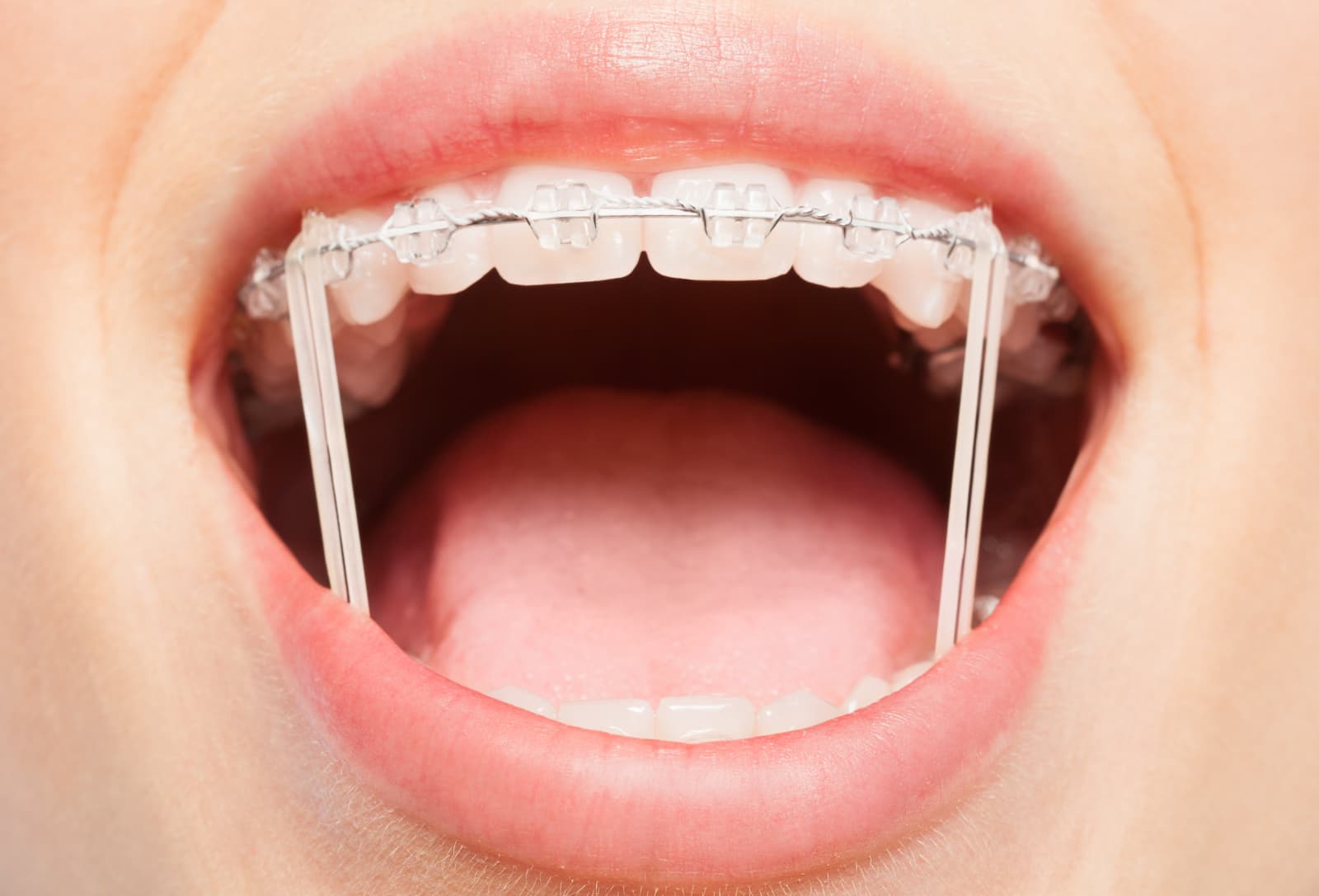
Ceramic braces function similarly to metal braces but use tooth-coloured or clear brackets for a more discreet appearance. They provide strong tooth movement while being less visible, making them a popular choice for adults who prefer an aesthetic fixed option.

Best for: Patients who want a more aesthetic fixed option
Visibility: Low
Price starts from: AUD $7,500

Pros of Ceramic Braces

  • More discreet than traditional metal braces

  • Suitable for a wide range of orthodontic conditions

  • Brackets blend well with natural tooth colour

  • Offers the strength of braces while being visually subtle

Cons of Ceramic Braces

  • Brackets can be more fragile than metal

  • Requires more careful cleaning to avoid staining

  • May cost slightly more than metal braces

Lingual Braces (Hidden Braces)

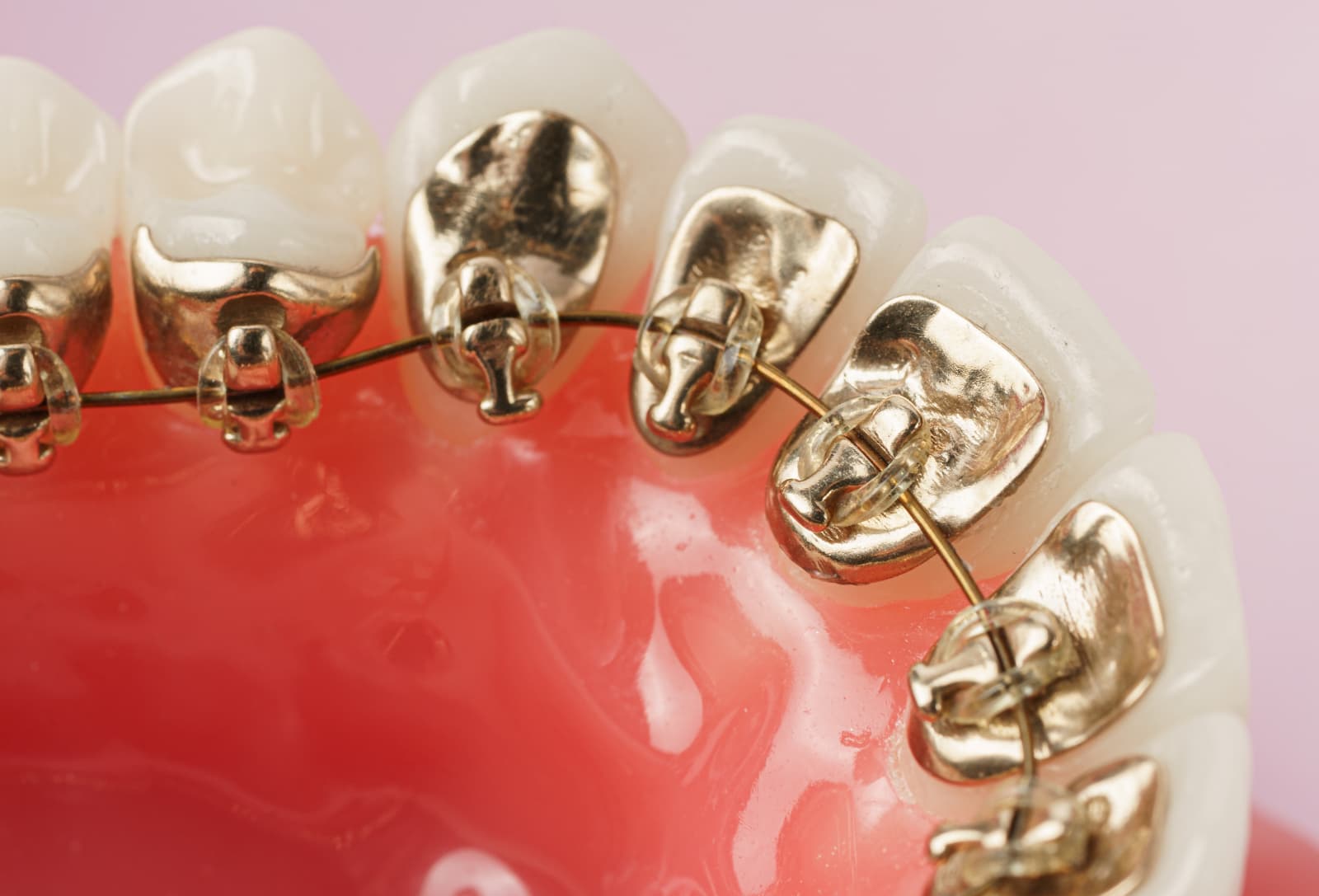
Lingual braces are attached to the inner surfaces of the teeth (the tongue side), making them completely invisible from the front. They work just like traditional braces but are hidden, which is ideal for patients who prefer a fully concealed treatment.

Best for: Those who prefer an invisible fixed system
Visibility: Invisible
Price starts from: AUD $9,500

Pros of Lingual Braces

  • No visible brackets or wires from the front

  • Effective for complex alignment and bite issues

  • Fully customised for each tooth, offering precise results

Cons of Lingual Braces

  • Higher cost due to custom design

  • Harder to clean and maintain

  • Can temporarily affect speech or tongue comfort

Clear Aligners (Invisible Braces)

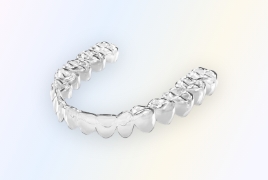
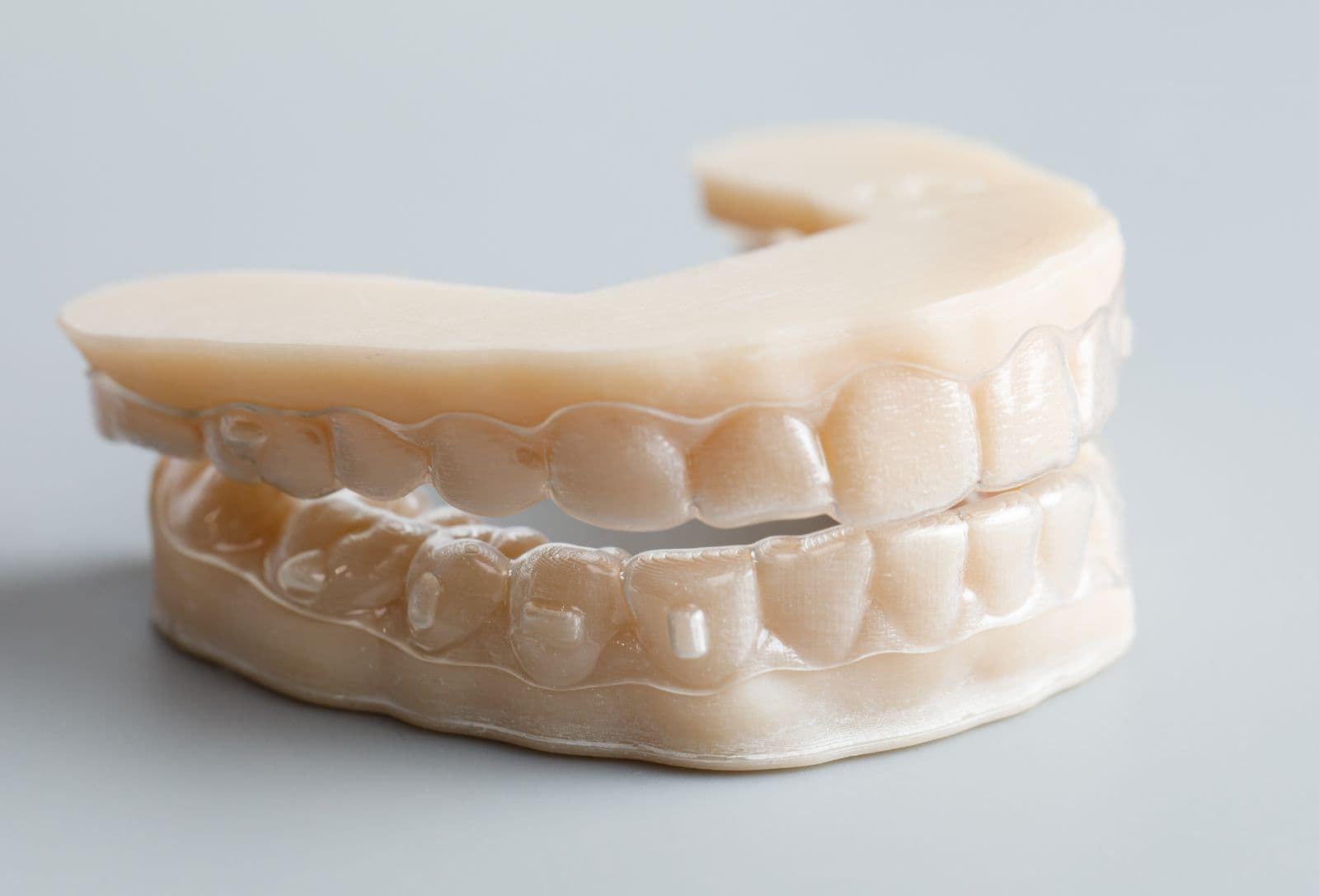
Clear aligners are one of the most popular modern orthodontic options. They use a series of transparent, removable trays to gradually straighten teeth. This system is ideal for people who want flexibility, comfort, and minimal visibility during treatment.

Best for: Mild to complex alignment issues
Visibility: Very low
Price starts from: AUD $1,950

Pros of Invisible Braces

  • Removable for eating, brushing, and social events

  • Comfortable with no metal brackets or wires

  • Virtually invisible, ideal for adults and teens

  • Allows easier oral hygiene

  • Often requires fewer clinic visits

Cons of Invisible Braces

  • Must be worn consistently for 20–22 hours a day

  • Aligners can be misplaced if not stored properly

Self-Ligating Braces

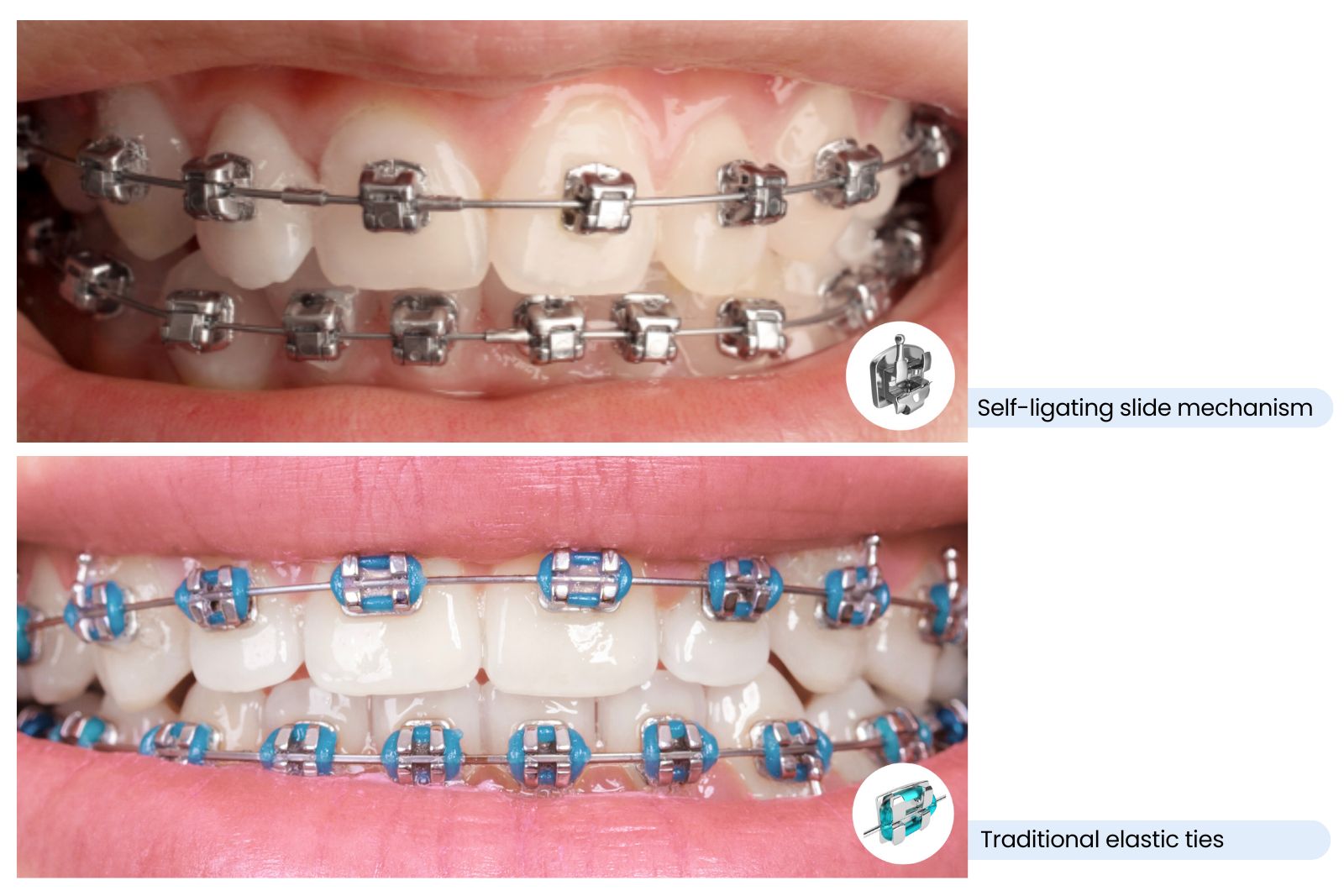
Self-ligating braces look similar to traditional braces but use a special sliding mechanism instead of elastic ties. This design reduces friction and may allow teeth to move more efficiently. They come in both metal and ceramic versions.

Best for: Mild to complex cases
Visibility: Metal or ceramic options
Price starts from: AUD $6,500

Pros of Self-ligating Braces

  • May require fewer adjustment appointments

  • Easier to keep clean without elastic ties

  • Can provide more comfortable tooth movement

  • Suitable for a wide variety of orthodontic cases

Cons of Self-ligating Braces

  • Still visible if metal brackets are used

  • Ceramic versions may be more fragile

  • Costs more than traditional metal braces

Comparison of Braces Price in Australia

Type of braces Price starts from (AUD)
Metal braces $6,000
Ceramic braces $7,500
Lingual braces $9,500
Clear aligners $1,950
Self-ligating braces $6,500

Final cost depends on case complexity, clinic location, treatment length, and follow-up needs.

How to Choose Between the Different Types of Braces

When choosing the right option, consider:

  • Your preferred appearance (visible vs discreet)
  • Your budget and starting price
  • Comfort and maintenance needs
  • The complexity of your alignment
  • Whether you prefer removable or fixed systems

Understanding the different types of braces helps you compare their benefits and choose what fits your lifestyle and dental needs best.

There are many types of braces available, each offering different advantages in terms of appearance, comfort, and cost. Whether you prefer classic metal braces, discreet ceramic braces, hidden lingual braces, or removable clear aligners, an orthodontic consultation will help determine the best match for your smile goals. Book a smile assessment with us today. 

Whatsapp