TEETH - STRAIGHTENING TREATMENT
SERVICES
RESOURCES
SHOP
MEDICAL CERTIFICATIONS
Certifications ensuring safety, quality, and compliance with global standards.


Certifications ensuring safety, quality, and compliance with global standards.
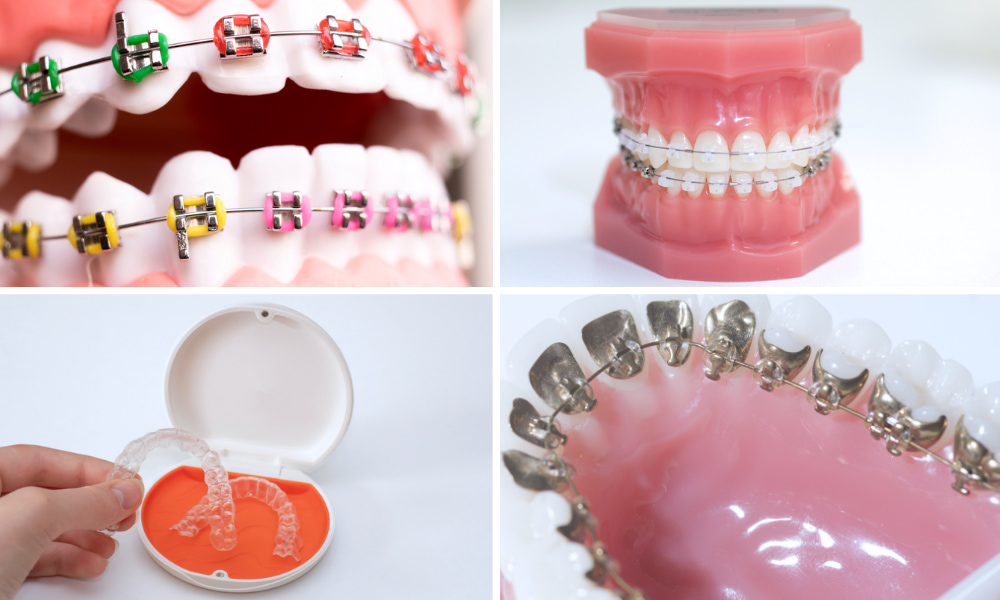
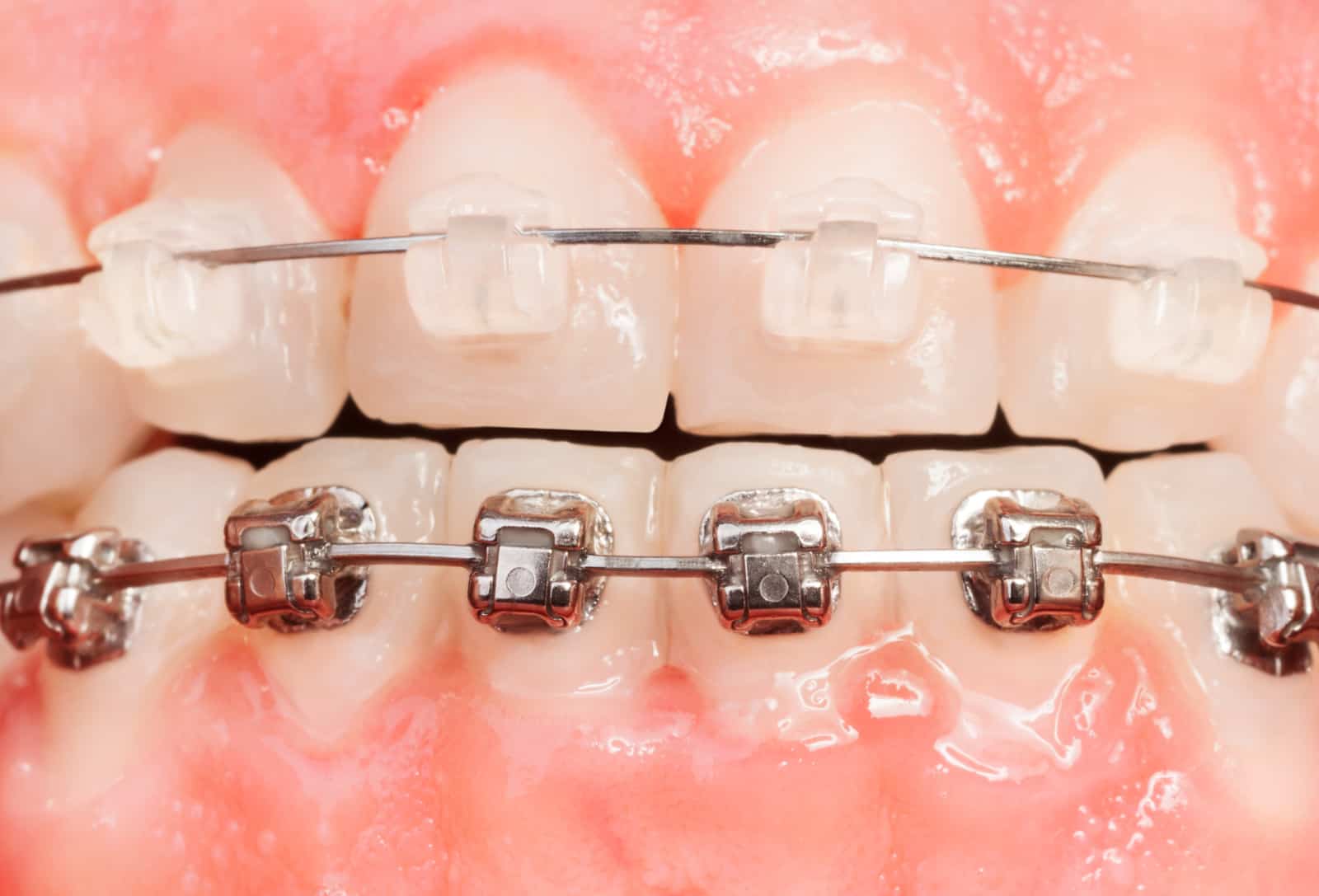
Traditional braces are fixed orthodontic appliances made up of brackets, archwires, and, in many cases, elastics. Together, these components apply steady, controlled pressure to the teeth, guiding them into proper alignment over time through a natural process known as bone remodelling.
When braces apply pressure to a tooth, the bone on one side compresses while new bone forms on the other. This allows the tooth to move gradually and safely without damaging the surrounding structures. The archwire plays a key role in directing this movement and is adjusted or replaced during regular appointments to continue guiding the teeth into their ideal positions.
Metal Braces: Metal braces are the most traditional type of braces. Small metal brackets are attached to the teeth and connected by an archwire. They are highly effective for correcting mild to severe alignment issues and are often recommended for complex cases.
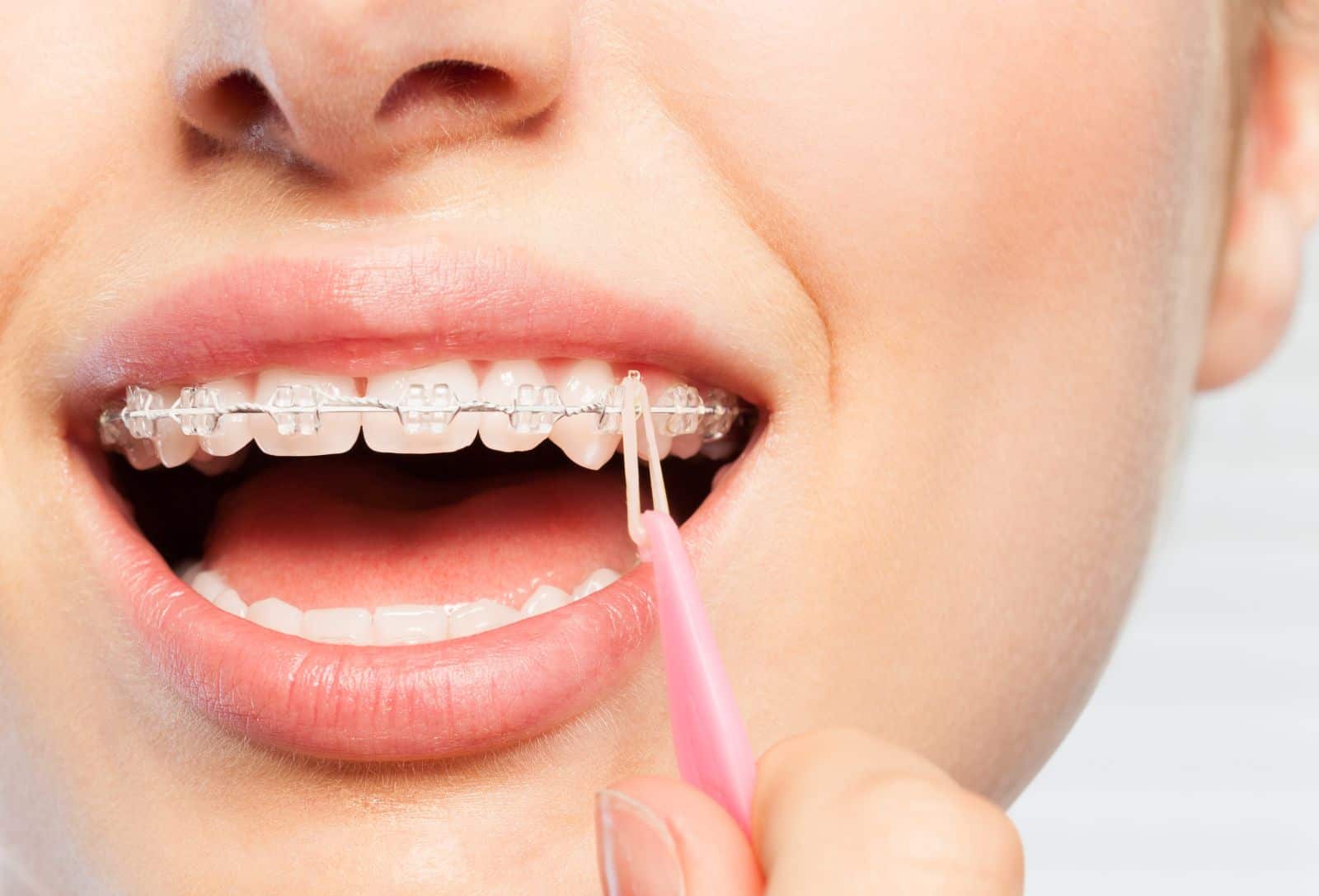
For cases where bite alignment needs correction, elastics (small rubber bands) are added to the braces. These elastics connect the upper and lower teeth, applying additional directional force to help correct issues such as overbites, underbites, and crossbites. Because elastics only work when worn as instructed, consistent use is essential for effective treatment.
Ceramic Braces: Ceramic braces work in the same way as metal braces but use tooth-coloured or clear brackets that blend in with natural teeth. They are less noticeable than metal braces, but good oral hygiene is important to prevent staining around the brackets.
Lingual Braces: Lingual braces function like traditional braces but are placed on the inner surface of the teeth, making them hidden from view. They apply controlled pressure from behind the teeth and are effective for a wide range of orthodontic concerns. Some people may need time to adjust to speaking and eating comfortably.