TEETH - STRAIGHTENING TREATMENT
SERVICES
RESOURCES
SHOP
MEDICAL CERTIFICATIONS
Certifications ensuring safety, quality, and compliance with global standards.


Certifications ensuring safety, quality, and compliance with global standards.
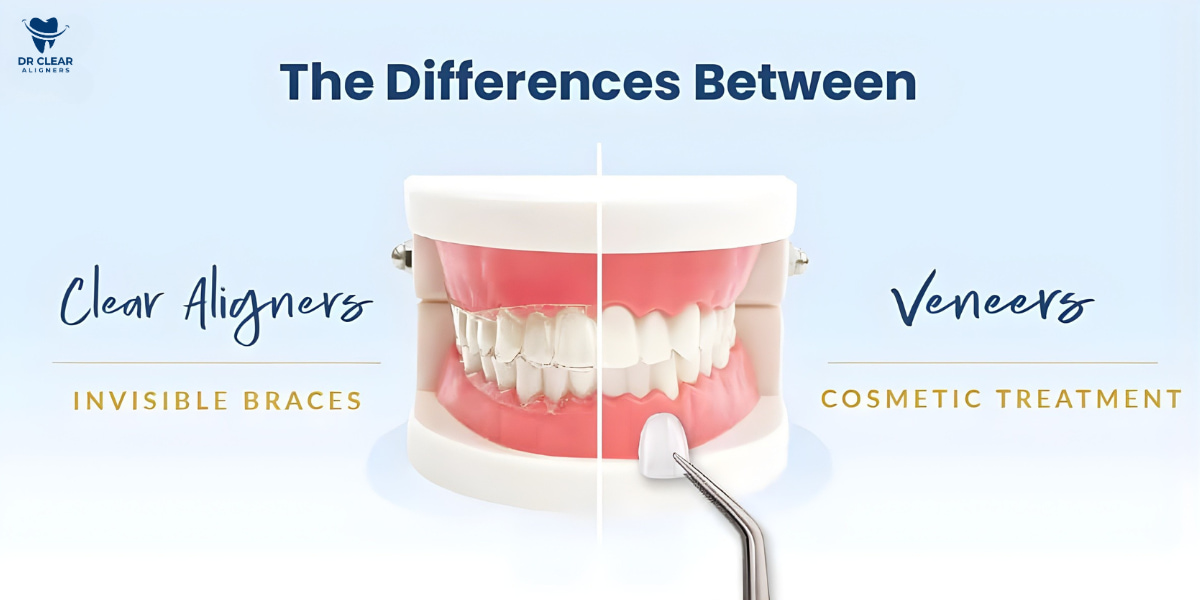
If you’re dissatisfied with the appearance of your teeth, you’ve probably explored different solutions, from orthodontic treatments to cosmetic options like veneers. Two choices often compared are clear aligners and veneers (including temporary options such as snap-on or clip-on veneers). While both can change how your smile looks, they work in very different ways.
This guide explains what veneers are, what temporary veneers look like, what they’re made of, and how they compare with aligners, so you can make an informed decision.
Veneers are thin shells placed on the front surface of the teeth to hide imperfections such as discolouration, minor chips, or uneven shapes. They do not move or straighten teeth, they only change how your teeth look.
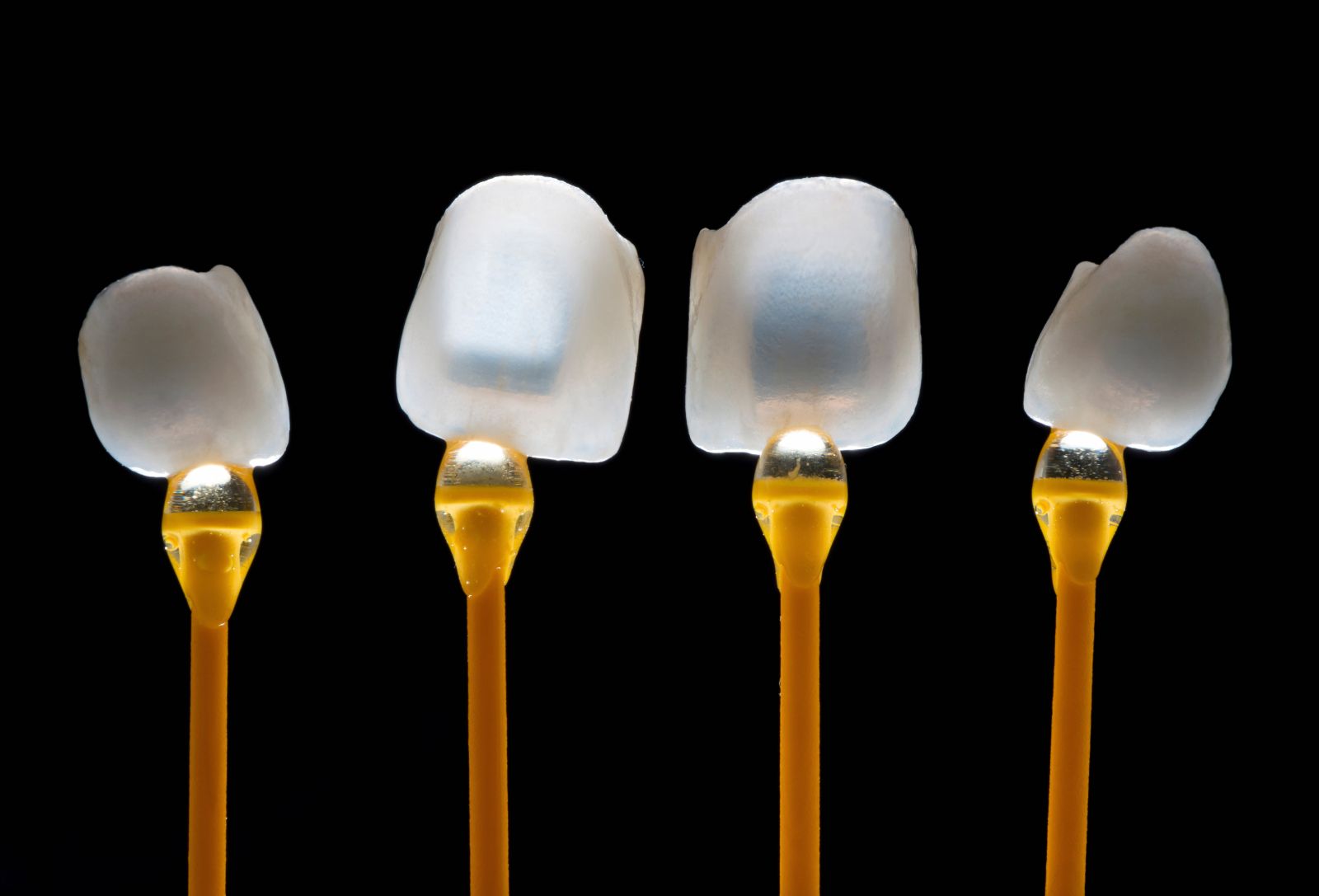
Traditional veneers are usually made from:
These require a dentist to reshape or file down the natural teeth, making the procedure irreversible.
Clear aligners are transparent, removable trays designed to gradually straighten your teeth. They work by applying controlled pressure to move teeth into their ideal positions over time. Unlike traditional braces, aligners are made from smooth medical-grade plastic and fit snugly over your teeth, making them almost invisible when worn.
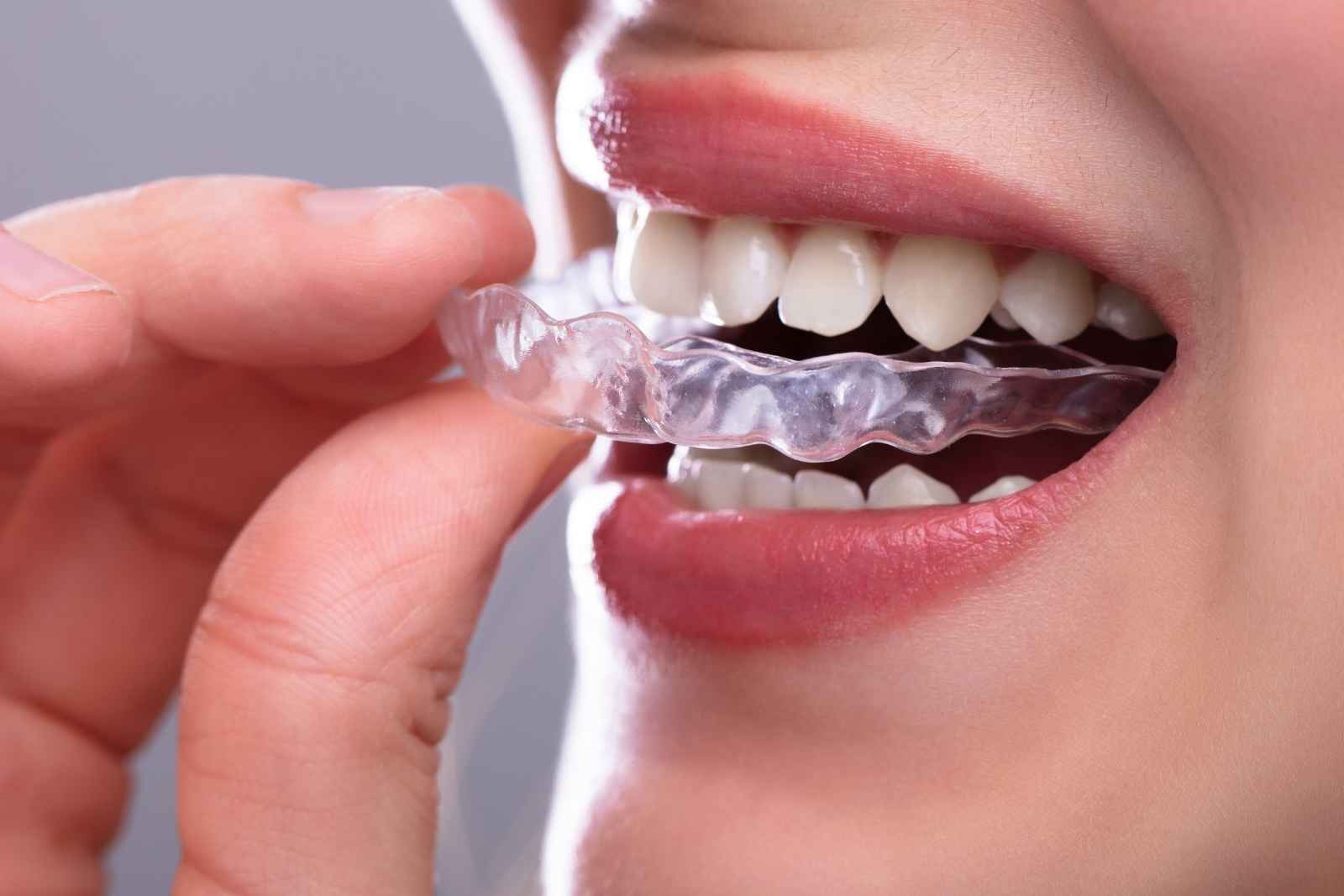
Clear aligners are commonly used to treat issues such as:
Crooked or crowded teeth
Gaps between teeth
Mild to moderate bite problems (overbite, underbite, crossbite)
Dental relapse after past orthodontic treatment
One of the biggest advantages of aligners is that they treat the root cause of dental misalignment, rather than masking the appearance of teeth. Because they physically shift your teeth into healthier positions, the results are long-term and help improve overall oral health.
Snap-on veneers (also known as clip-on or pop-on veneers) are temporary cosmetic covers that fit over the natural teeth. Unlike traditional veneers, they don’t alter tooth structure and are typically made from resin-based materials.
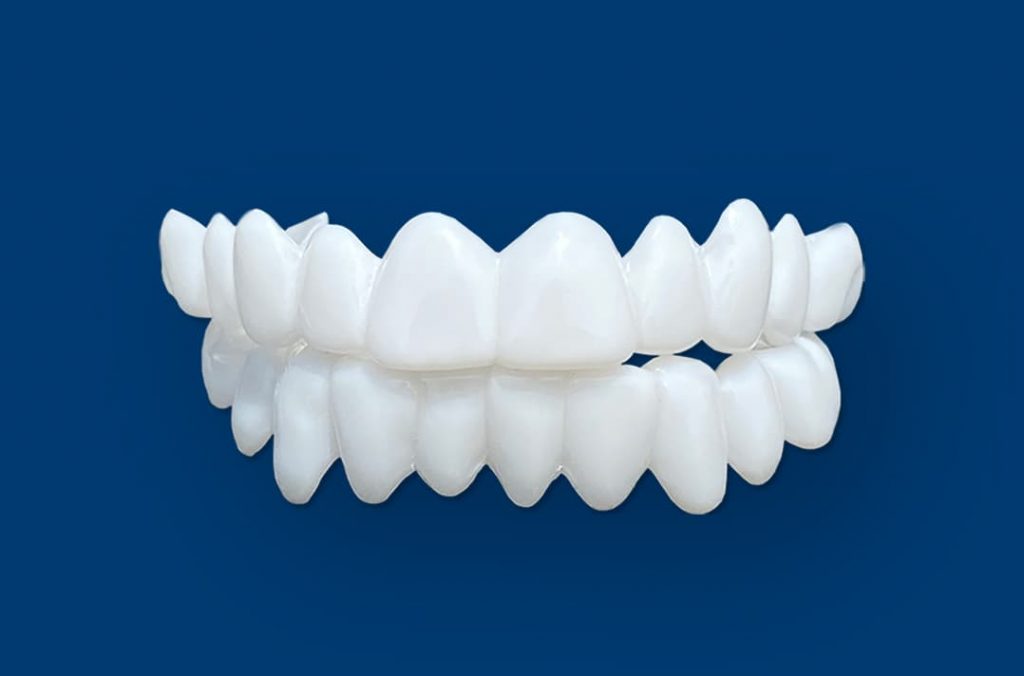
Depending on the design, temporary veneers generally:
However, because they cover the teeth rather than address alignment issues, the appearance may vary depending on your natural tooth shape.
Important: Temporary veneers do not straighten teeth, correct bite issues, or treat underlying dental concerns. They are purely cosmetic and do not address any functional problems.