TEETH - STRAIGHTENING TREATMENT
SERVICES
RESOURCES
SHOP
MEDICAL CERTIFICATIONS
Certifications ensuring safety, quality, and compliance with global standards.

Many people wonder whether they should brush their teeth before or after breakfast, or how long they should wait after eating. Understanding this helps protect your enamel, prevent cavities, and keep your breath fresh throughout the day.
Below is a simple, dentist-approved guide on what to do immediately after eating, whether you’re at home, school, or work — plus the correct timing for brushing.
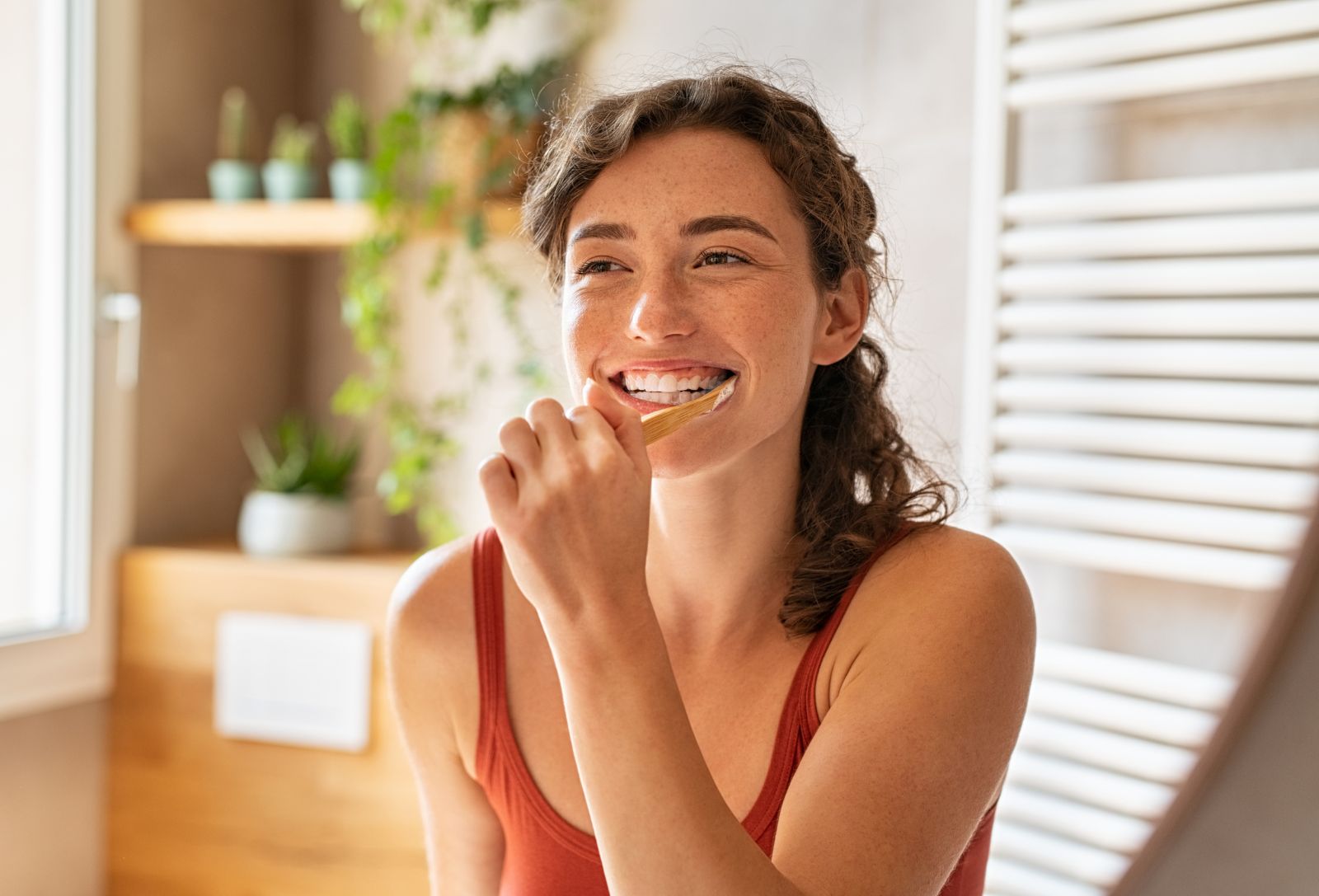
Most dentists recommend brushing your teeth before breakfast. Why? Because:
If you prefer brushing after breakfast, avoid brushing immediately. Keep reading for the safe timing.
You should wait at least 30 minutes after eating before brushing your teeth. Your enamel becomes temporarily softer after meals, especially if you’ve eaten:
Brushing too soon can wear down enamel over time. Waiting 30 minutes gives your saliva time to neutralise acids and re-harden enamel naturally.

If you’re on the go, at school, university, work or travelling, these quick steps help keep your mouth clean until you can brush.
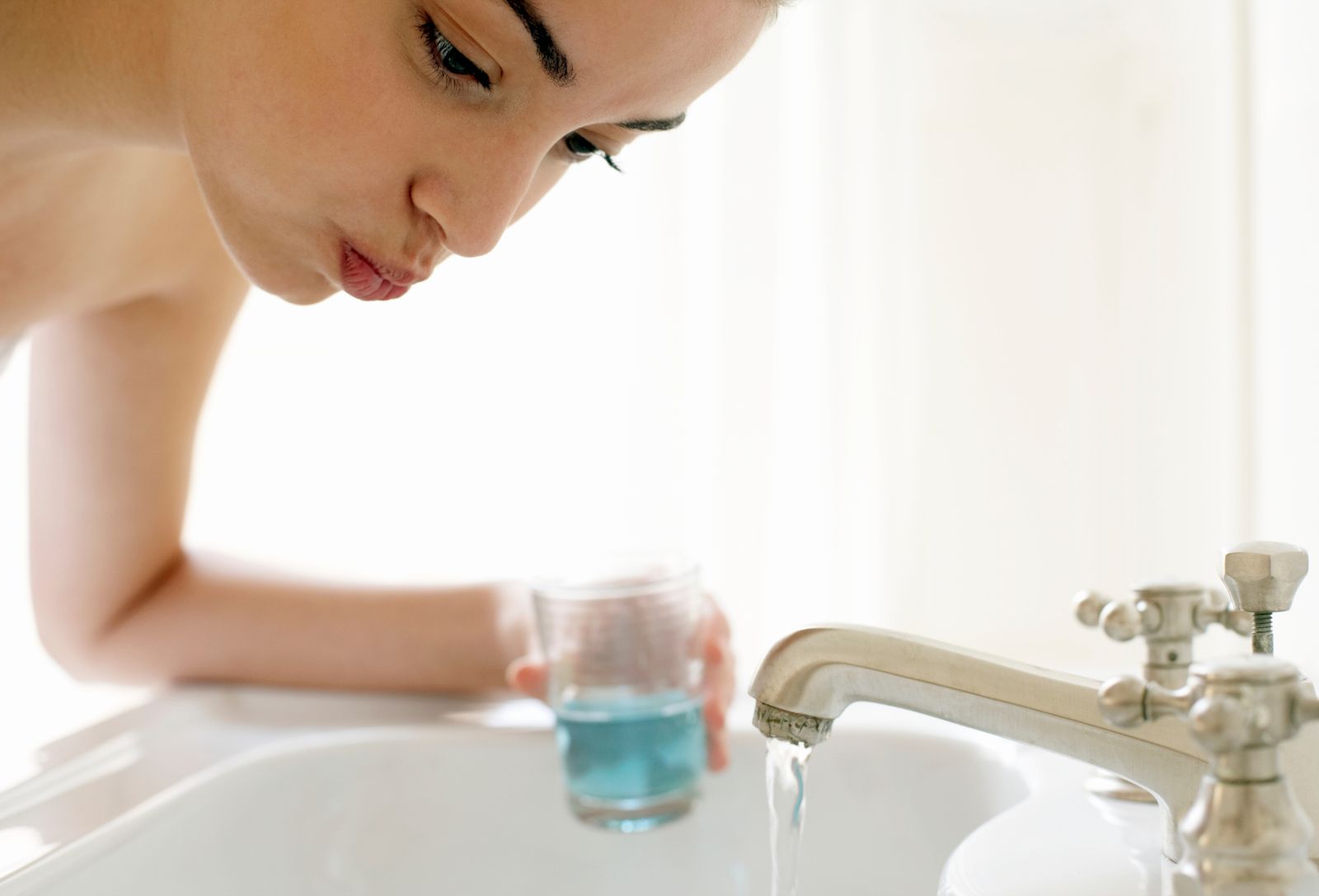
A simple rinse removes loose food particles and reduces acidity. It’s the easiest way to clean your mouth when you can’t brush.
Why it helps:
Sipping water throughout the day keeps your mouth hydrated and supports saliva flow, which is your mouth’s natural defence against bacteria.
Benefits:
Keep a bottle with you, especially after mealtimes.
Keeping a travel-size mouthwash in your bag or office drawer is a great way to freshen up on the go.
Mouthwash can help to:
But remember: mouthwash doesn’t replace brushing or flossing. It’s simply an extra step when you’re away from home.

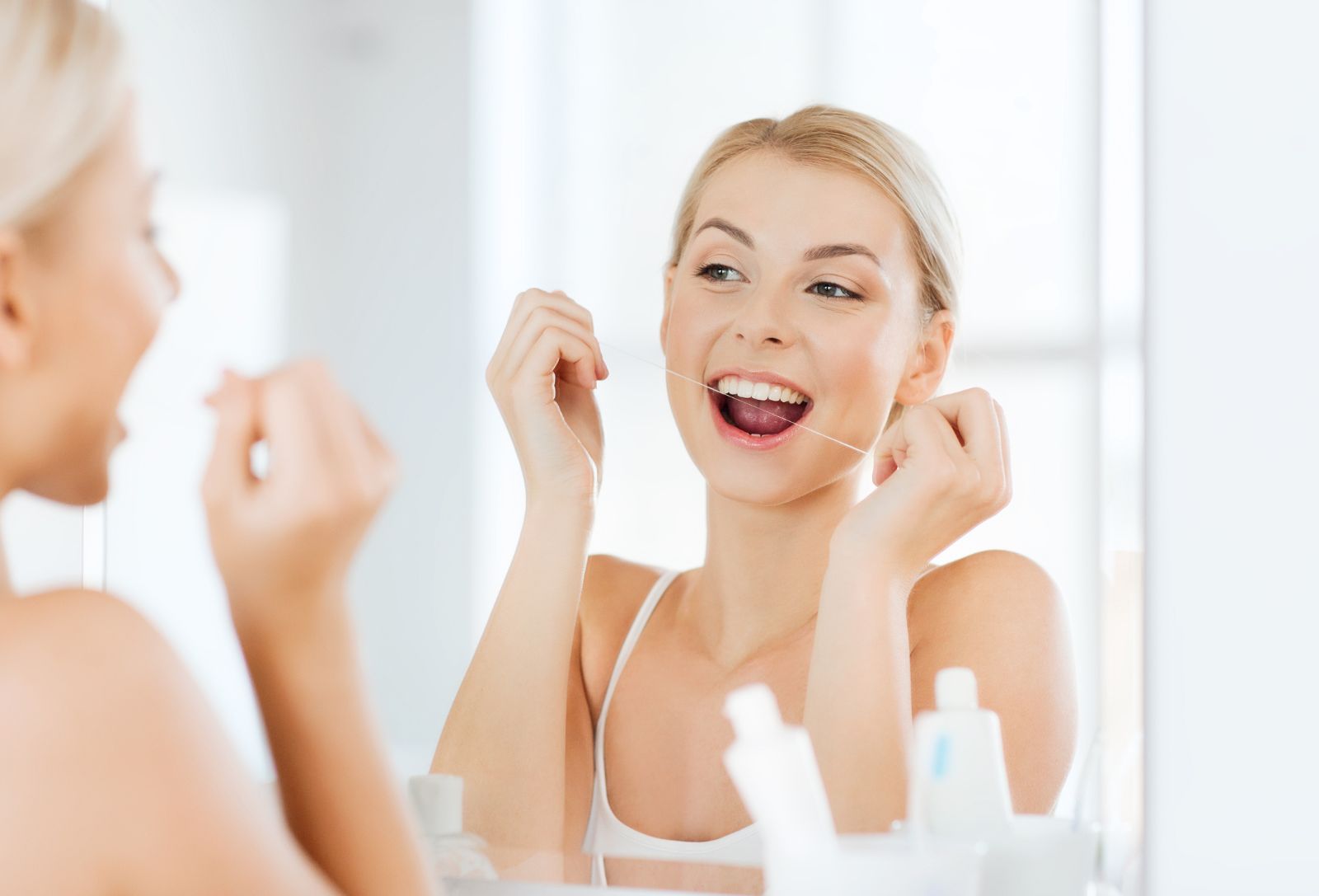
Flossing is the quickest way to clean areas your toothbrush can’t reach, especially after sticky or fibrous meals.
Why flossing after eating helps:
Chewing sugar-free gum for 10–20 minutes after meals is a dentist-approved way to protect your teeth.
Benefits:
For even better protection, choose gum with xylitol, which reduces plaque and bacteria.
Right after eating:
✔ Rinse with water
✔ Drink water
✔ Chew sugar-free gum
✔ Use mouthwash (optional)
✔ Floss if needed
Brushing teeth:
✔ Brush before breakfast (recommended)
or
✔ Brush 30 minutes after eating if you prefer brushing after meals
These habits help keep your teeth and gums healthy, protect your enamel and reduce your risk of cavities, even on your busiest days.
A consistent oral hygiene routine, including knowing when to brush and how to care for your teeth after meals, can make a noticeable difference to your long-term dental health. If you’re exploring ways to improve your smile or learn more about clear aligner treatment, you can always browse our resources or take our free online smile assessment to see what suits you.
Get a free consultation with your orthodontist today to explore your options and take the first step towards achieving the smile of your dreams. Your journey to a confident smile starts now!
Orthodontic treatment is designed to straighten teeth and correct bite issues by applying controlled pressure over time. While all orthodontic ...
9 February 2026
Taking care of your teeth is an important part of maintaining your well-being, though it can sometimes be challenging to ...
4 February 2026
Clear aligners are a popular choice for straightening teeth discreetly and comfortably. But keeping them clean is essential for oral ...
26 January 2026
Traditional braces have long been the go-to option for orthodontic treatment. However, with advancements in dental technology, clear aligners have ...
4 January 2026
Wisdom tooth extraction is a common dental procedure, but it’s often surrounded by anxiety — especially when it comes to ...
22 December 2025