TEETH - STRAIGHTENING TREATMENT
SERVICES
RESOURCES
SHOP
MEDICAL CERTIFICATIONS
Certifications ensuring safety, quality, and compliance with global standards.



Certifications ensuring safety, quality, and compliance with global standards.

Many people think crooked or misaligned teeth are only about appearance. While smile confidence is one reason people consider teeth straightening, alignment can also affect cleaning, bite comfort, tooth wear, and long-term oral health.
Not every case of crooked teeth needs immediate treatment. However, if your teeth are crowded, overlapping, spaced, or affecting how your upper and lower teeth meet, it may be helpful to understand the possible long-term effects.
This guide explains what may happen if you do not straighten your teeth, when teeth-straightening options may be worth considering, and how solutions such as clear aligners or braces may help depending on your case.
Find out whether clear aligners may suit your teeth condition, bite needs, lifestyle, and smile goals through a Free Smile Assessment.
Crooked teeth, crowded teeth, teeth gaps, and bite problems can affect different people in different ways. For some, the concern may be mainly cosmetic. For others, misaligned teeth may make daily cleaning more difficult or affect bite comfort.
When teeth are not aligned properly, certain areas may be harder to brush and floss. Some teeth may also receive more pressure when biting or chewing.
This is why teeth straightening is not only about creating a neater smile. In suitable cases, it may also support better oral hygiene, bite function, and long-term dental maintenance.
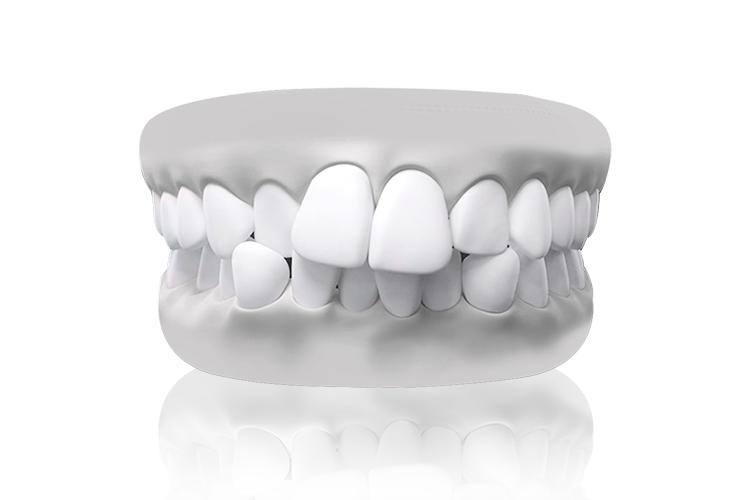
When teeth overlap, rotate, or sit too closely together, it can be harder to clean between them properly.
Food particles and plaque may collect in tight spaces that are difficult to reach with a toothbrush or floss. Over time, this may increase the chance of oral hygiene issues if cleaning is not managed well.
Crowded teeth may also make it harder to maintain a consistent oral care routine, especially around the gumline or between overlapping teeth.
If you are already considering aligners, it may also be useful to read our guide on what you can and cannot eat with clear aligners, as daily habits and cleaning routines play an important role during treatment.

When certain areas of the teeth are difficult to clean, plaque may build up more easily. If plaque is not removed properly, it may contribute to gum irritation, bad breath, tooth decay, or other oral health concerns.
This does not mean crooked teeth will always cause dental problems. However, crowded or misaligned teeth may make prevention and cleaning more challenging for some people.
Regular dental reviews, good brushing habits, flossing, and professional cleaning can help. However, if your teeth position makes cleaning consistently difficult, it may be worth discussing teeth-straightening options with a dental provider.
Your bite refers to how your upper and lower teeth meet when you close your mouth. When teeth are misaligned, some teeth may carry more biting pressure than others.
Over time, uneven bite pressure may contribute to tooth wear, chipped edges, sensitivity, or discomfort when chewing, depending on the severity of the bite issue.
Bite concerns can include overbite, underbite, crossbite, open bite, crowding, and spacing. If you want to understand this further, you can read our guide on whether clear aligners may help with bite problems.
Some people with bite imbalance may experience jaw discomfort, muscle tension, or chewing discomfort. This can happen when the jaw and teeth do not meet comfortably during daily biting and chewing.
Not all jaw discomfort is caused by misaligned teeth, so a professional review is important before assuming the cause.
If bite alignment is part of the concern, your dental provider may assess your teeth position, bite relationship, oral habits, and teeth-straightening options before recommending the next step.
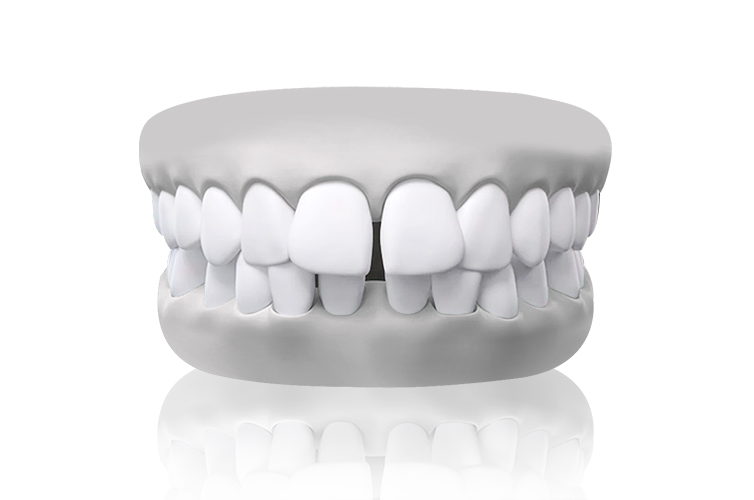
Teeth can continue to shift over time due to ageing, bite forces, missing teeth, oral habits, gum condition, or previous orthodontic relapse.
If crowding or spacing is already present, it may become more noticeable for some people over the years. Small gaps may widen, crowded teeth may overlap more, or the bite may feel different.
This is also why retainers are important after teeth-straightening treatment. After clear aligners or braces, retainers help maintain the new teeth position and reduce the chance of relapse. You can learn more in our guide on retainers after clear aligners.
Explore whether clear aligners may be suitable for your teeth alignment needs through a Free Smile Assessment.
For some people, crooked or misaligned teeth may affect more than oral hygiene. It may also influence smile confidence, the way they speak, or how comfortable they feel in daily interactions.
This can be especially relevant for adults who speak regularly at work, attend meetings, or interact with customers and colleagues.
If you are an adult considering a more discreet teeth-straightening option, our article on clear aligners for working adults may help you understand how aligners may fit into a busy lifestyle.
You may consider speaking to a dental provider if your teeth alignment affects your cleaning routine, bite comfort, chewing, smile confidence, or long-term oral maintenance.
Common signs that you may benefit from a professional review include:
A professional review can help determine whether clear aligners, braces, retainers, or another approach may be more suitable for your case.
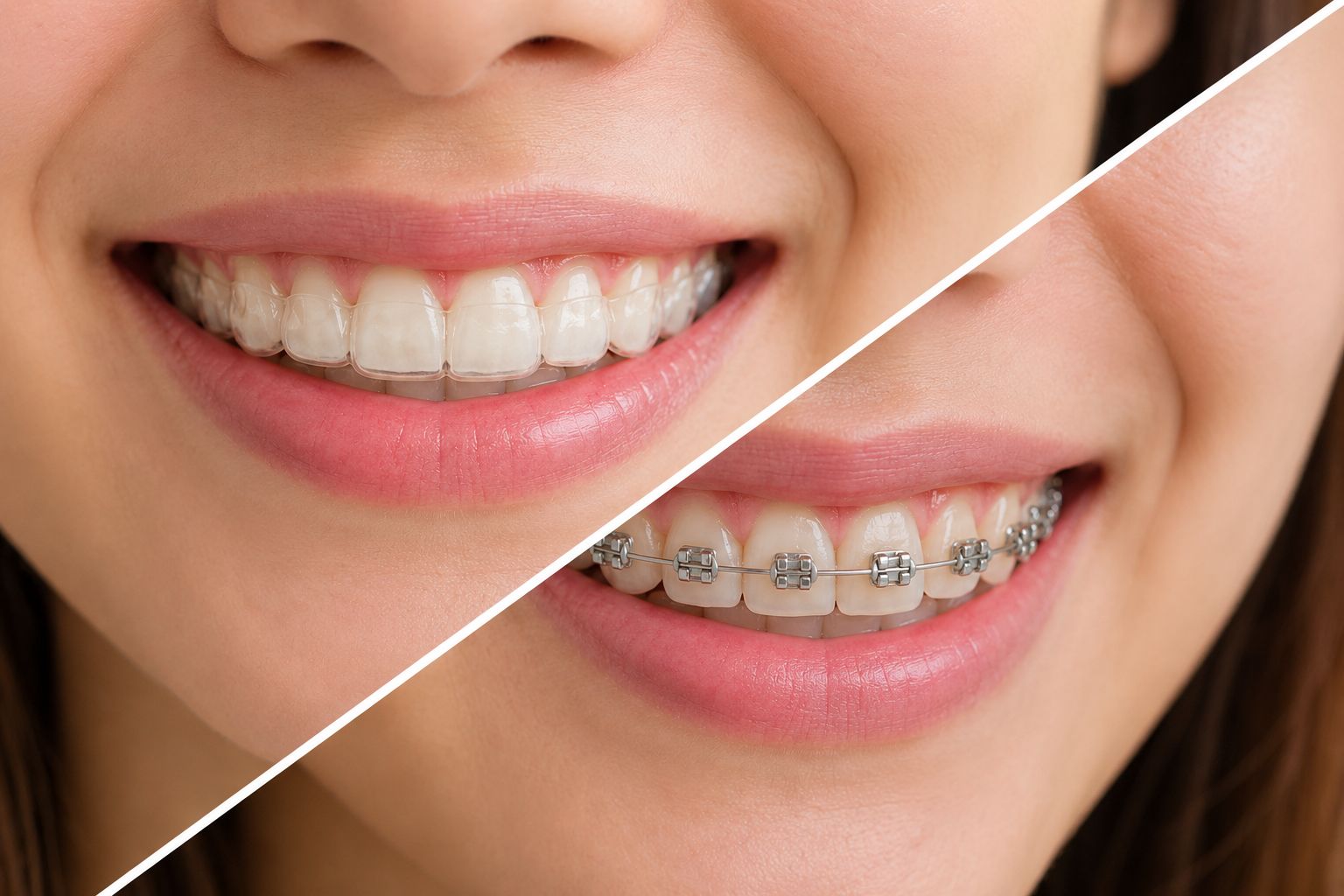
Clear aligners and braces are both teeth-straightening options, but they work differently and may suit different needs.
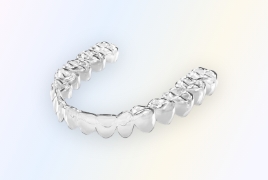
Clear aligners are removable and transparent. They may suit people who prefer a more discreet option and can wear their aligners consistently as advised.
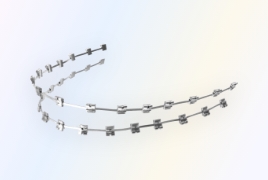
Braces are fixed appliances and may be recommended for more complex cases or situations where fixed control is needed.
If you are comparing both options, you may find our guide on clear aligners vs braces helpful. You can also read how clear aligners work to better understand the aligner process.
The time needed for teeth straightening depends on your teeth condition, treatment complexity, bite needs, and how well you follow the recommended instructions.
Mild alignment concerns may take a shorter time, while more complex cases may require a longer period.
For a deeper explanation, you can read our guide on how long clear aligners take.
At Dr Clear Aligners Australia, we support personalised smile journeys based on different teeth conditions, bite needs, lifestyles, and smile goals.
If you are concerned about crooked teeth, crowded teeth, gaps, or bite issues, our team can help you explore whether clear aligners may be suitable for your teeth alignment needs.
Start your Free Smile Assessment to better understand your teeth-straightening options.